
The world's mangrove forests protect millions of people from storms. They also absorb large amounts of greenhouse gases. Many were very threatened in recent years. But they are experiencing an unexpected recovery, scientists have found. The mangroves of the world are reborn.
For decades, these swamp trees had declined rapidly due to logging for fish farms and housing. But since 2010, the world has recovered more mangroves than it has lost. This is thanks to greater legal protection and greater public awareness of its importance.
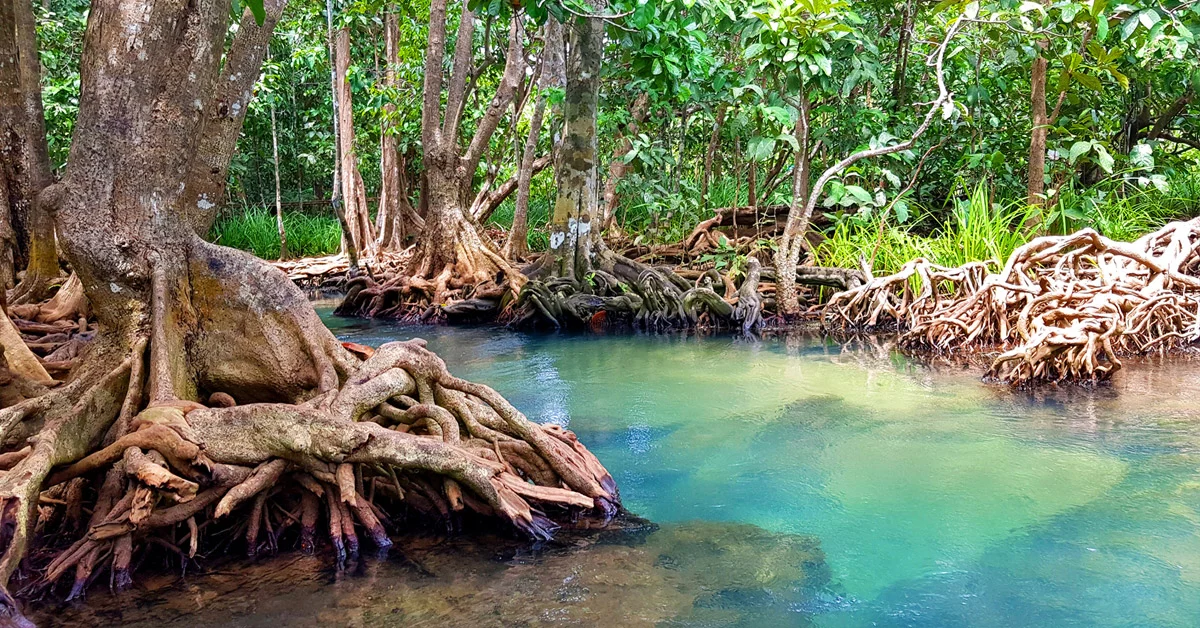
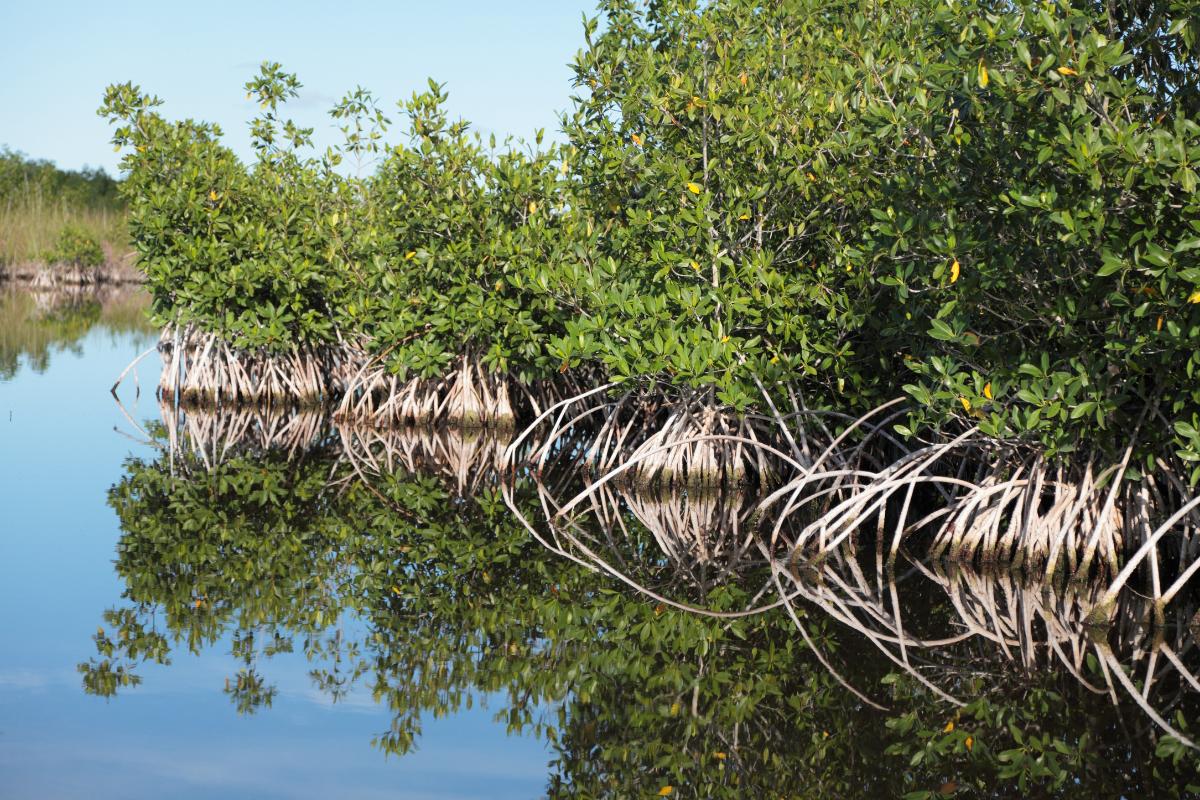
The key factor lies in the extraordinary capacity of these forests. They can regenerate naturally once humans stop cutting them down. Mangroves are one of the world's unsung environmental heroes. They store up to five times more external carbon dioxide than terrestrial forests. Their intertwined roots can also slow waves and protect coastal communities from storm surges and tsunamis.
recovering
These same roots constitute an ideal nursery for many species of fish and other marine life. They protect them from predators and provide them with plenty of food. But in the last century, due to the rise of aquaculture, agriculture and the expansion of coastal cities and towns, they were threatened.
Between the 1980s and 2010, more than 12,000 km² of mangroves were cleared in Asia, Africa and the Americas. It is an area equivalent to the size of Jamaica. Total net losses—forest lost and not replaced—since the 1980s have now been reduced. It is a loss of only 849 km2.
Restoration efforts over decades have contributed to the recovery of degraded forests. The most significant change is the natural expansion of mangroves as deforestation decreases. This has allowed forest levels to stabilize in Indonesia and grow in Myanmar. They are two of the countries with the highest density of mangroves. In Indonesia, the aftermath of the 2004 Indian Ocean tsunami influenced the perception of its importance. A similar change in public attitude occurred in Myanmar following Cyclone Nargis in 2008. There was a national ban on logging in 2016.
Challenges
Technology is also part of the solution. A different satellite imaging system was used to map the forests in greater detail. This revealed a much larger number of new trees compared to previous studies.
The world's mangroves are reborn, but not everywhere. Places like West and Central Africa have become hotbeds of destruction. The Niger Delta is the paradigmatic example of the impact of mangrove pollution. Oil pollution is having devastating consequences. In Google Earth you can see straight lines that cross the mangroves where the oil pipelines pass.
Leave a Reply