
Yes, it could be a few species that rule that space. It is in an international study in which the National Museum of Natural Sciences participates. They developed a model capable of predicting which species of Red Sea fish are most likely to colonize the Mediterranean. Also the risk that this poses for native species. The fish that colonize the Mediterranean are a danger.
The work is in the Journal of Animal Ecology. Cue starry pufferfish (Arothron stellatus), cinnabar mullet (Parupeneus heptacantha) and yellow-spotted trevally (Turrum fulvoguttatum). They are some of the species that have not yet established themselves but that could pose "a greater risk" if they colonize the Mediterranean Sea.
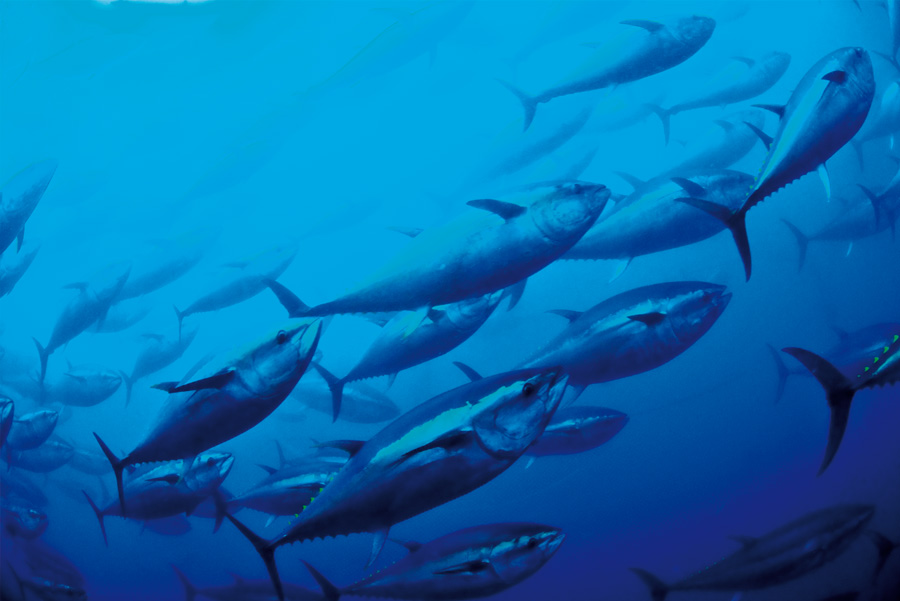
fish flow
The opening of the Suez Canal in 1869 connected the Red Sea to the Mediterranean. It created a corridor through which, according to the CSIC, more than 120 species of fish have migrated and established themselves. These generate a "strong ecological impact." The reverse flow – species migrating from the Mediterranean to the Red Sea – is “historically very rare.” Marine currents passively transport the larvae towards the Mediterranean for most of the year. But the Red Sea is warmer and more saline. It acts as a physiological barrier for Mediterranean fish from temperate climates.
The fish that colonize the Mediterranean (or could do so) were identified to anticipate alternatives. The main factor that determines the ability of a fish to invade was found. It is not "being a generalist, but its ability to survive without coral reefs." The Suez Canal and the Mediterranean Sea lack the complex coral reefs that characterize the Red Sea. The species that depend on them do not survive the passage from one area to another.
They used remote underwater video systems at depths between 5 and 150 meters. They recorded 179 fish populations in the Gulf of Aqaba, in the Red Sea, and along Israel's Mediterranean coast. The species that manage to establish themselves in the Mediterranean show "a lot of plasticity." They can abandon the habits of their original ecosystem to quickly adapt to the resources of the new habitat.
Fight between species
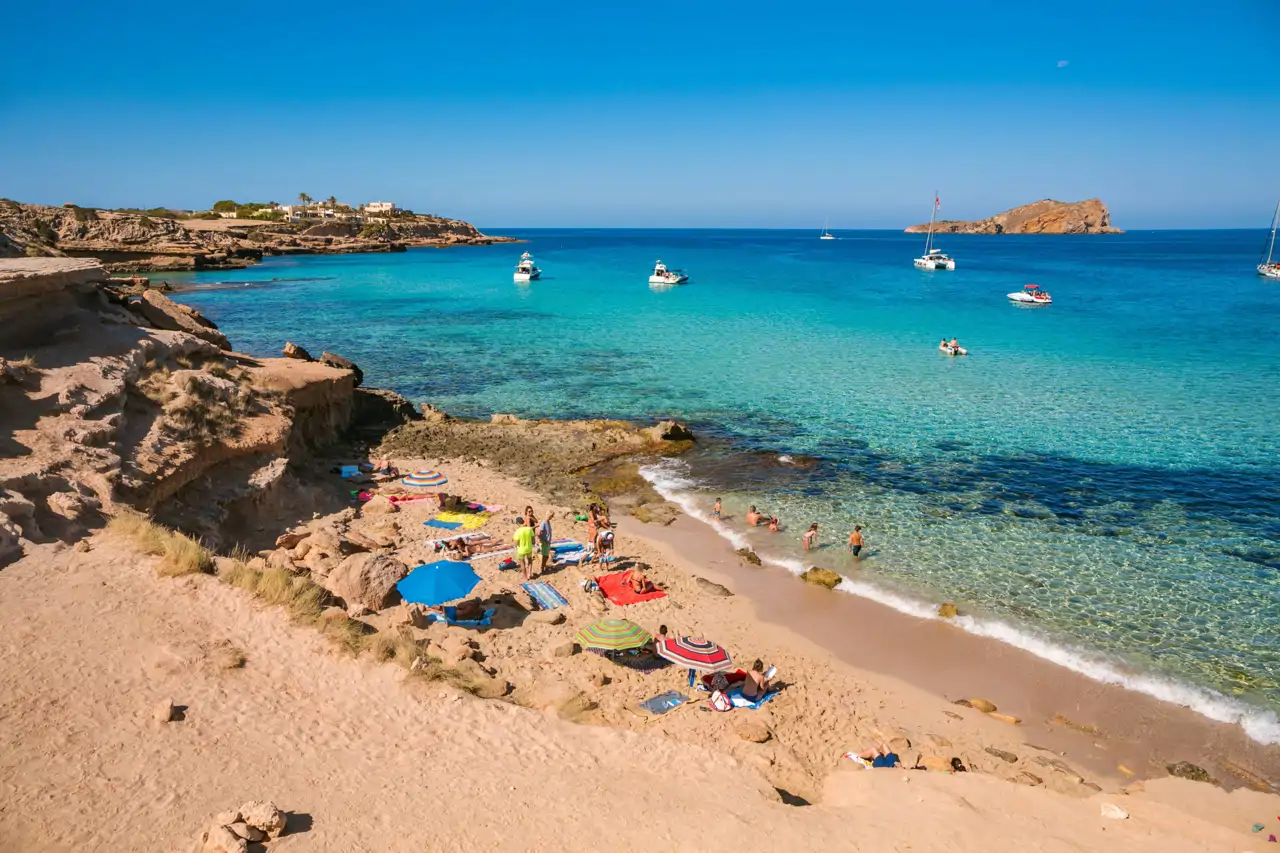
If they enter into competition, they overlap, generating a direct fight for resources and space between native species and those that arrive. It may end up leading to the disappearance of Mediterranean species.
The statistical model classifies the Red Sea species with the highest probability of becoming future migrants to the Mediterranean. Warming oceans accelerate the expansion of tropical marine species towards higher latitudes. These lists constitute a key tool for the management and conservation of local ecosystems.
Leave a Reply