
A researcher at the University of Tokyo documented it. It is the first case of a plant that mimics a certain smell of these insects. The plants that mimic the ants do so to attract pollinators.
Ko Mochizuki, from the School of Science in the Botanical Garden of the University, discovered it. The Vincetoxicum Nakaianum (a kind of native Adelfa of Japan) mimics the smell of ants attacked by spiders.
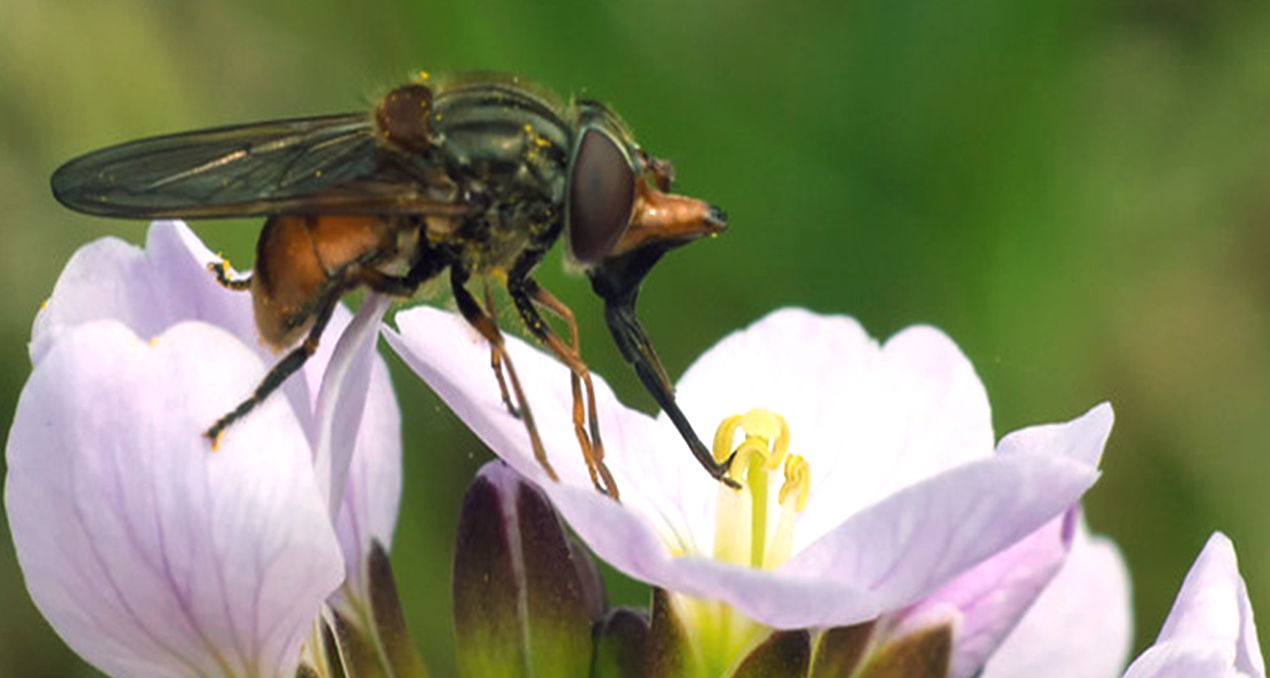
Looking for ants
This aroma attracts flies, which feed on these injured insects and pollinates flowers in the process. This is the first case of a plant that mimics the smell of ants. The scope of floral mimicry is more diverse than it was believed. The findings are published in Current Biology magazine.
The grass flies are attracted to the smell of injured ants. When moving from flower in flower in search of dams and wounds, they also provide a great service to flowers: they pollinate them. Ants are one of the most widespread species. And the mimetism of ants has evolved independently in many species of invertebrates. It is logical that plants have also evolved to imitate ants in one way or another. However, similar cases had never been reported.
This discovery was due to a series of experiences until then unrelated. His participation in an intensive training course in 2019 helped him recognize flies that swarmed in the flower. He also knew some previous studies that described flies pollinated plants that emitted smells similar to those of insects.
It was proposed to observe the visitors of these flowers. He compared the smells they gave off with those of various types of insects. He discovered that the smell of ants attacked by spiders was the closest.
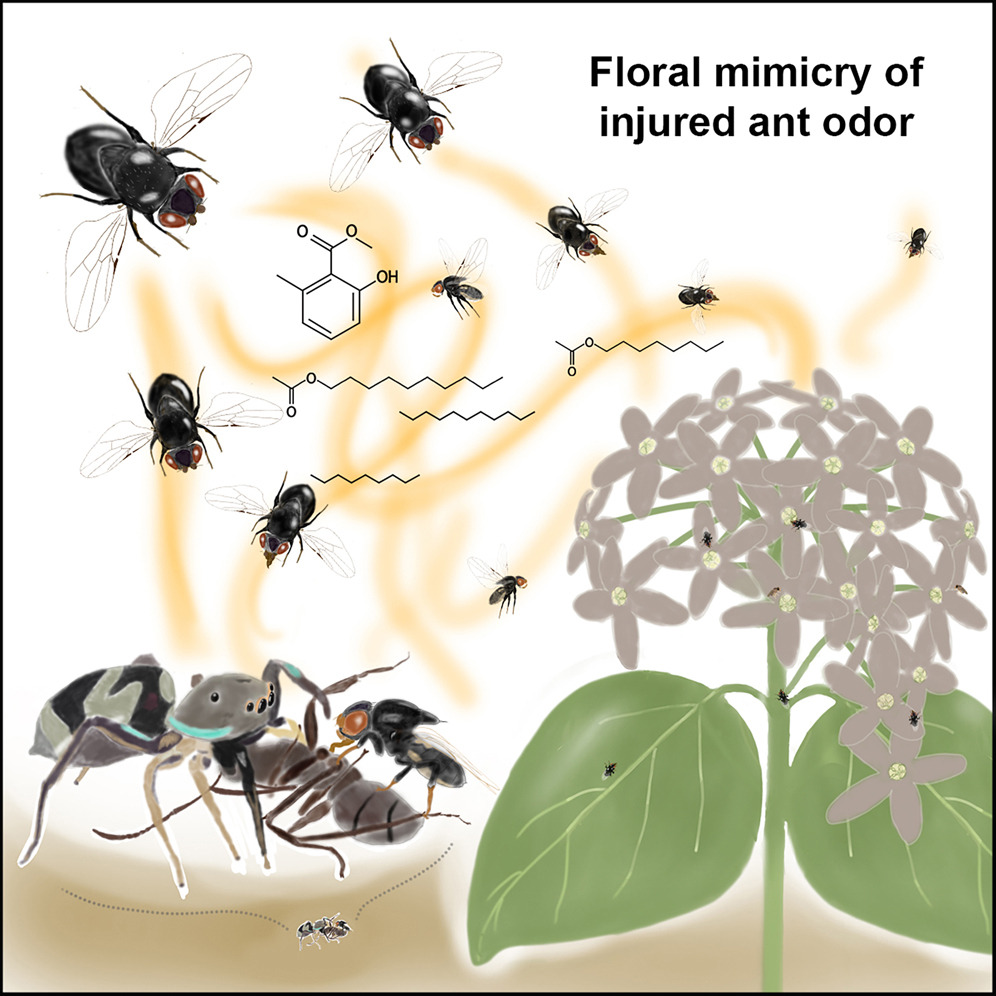
Unexpected findings
He found many amateur naturalists documenting what he suspected. Ants attacked by spiders, which in turn attracted kleptoparasitas flies (organisms that steal food to others). This gave him the confidence to verify the hypothesis from the point of view of behavior. He was able to confirm if the chloropid flies felt really more attracted to the smell of ants attacked by spiders than by other smells.
"That moment, when I saw the flies in the flowers, it was really inspiring." Unexpected discoveries usually arise from a combination of preparation and chance. The plants that mimic ants are one of them.
Leave a Reply