
January 2026 was the fifth warmest January on record (globally) since at least 1950. But January is also the coldest month since 2010 for the European continent. In total, the average surface air temperature worldwide was 12.95ºC. It represents 0.51ºC above the usual average. But the European average temperature was -2.34°C. That is, 1.63°C below the average for this month.
These are conclusions from the balance of the Copernicus Climate Change Service (C3S). It was implemented by the European Center for Medium-Range Weather Forecasts (ECMPM). The beginning of the year had extreme weather events in both hemispheres. The northern hemisphere experienced severe cold snaps due to a meandering polar jet stream. It poured frigid air over Europe and North America.

Ice and temperatures
On the other hand, there was record heat in the southern hemisphere. It caused intense forest fires in Australia, Chile and Patagonia. Heavy rains in southern Africa during the last week of the month caused severe flooding, especially in Mozambique.
The highest values than average were recorded in the Arctic. Above average temperatures were recorded in southern South America, northern Africa, central Asia and most of Australia and Antarctica.
The average Arctic sea ice extent in January was 6% below average. It is the third lowest recorded for the month. Precipitation was wetter than usual this month across much of western, southern and eastern Europe. In fact, heavy rains caused flooding in the Iberian Peninsula, Italy, the Western Balkans, Ireland and the United Kingdom.
cold and heat
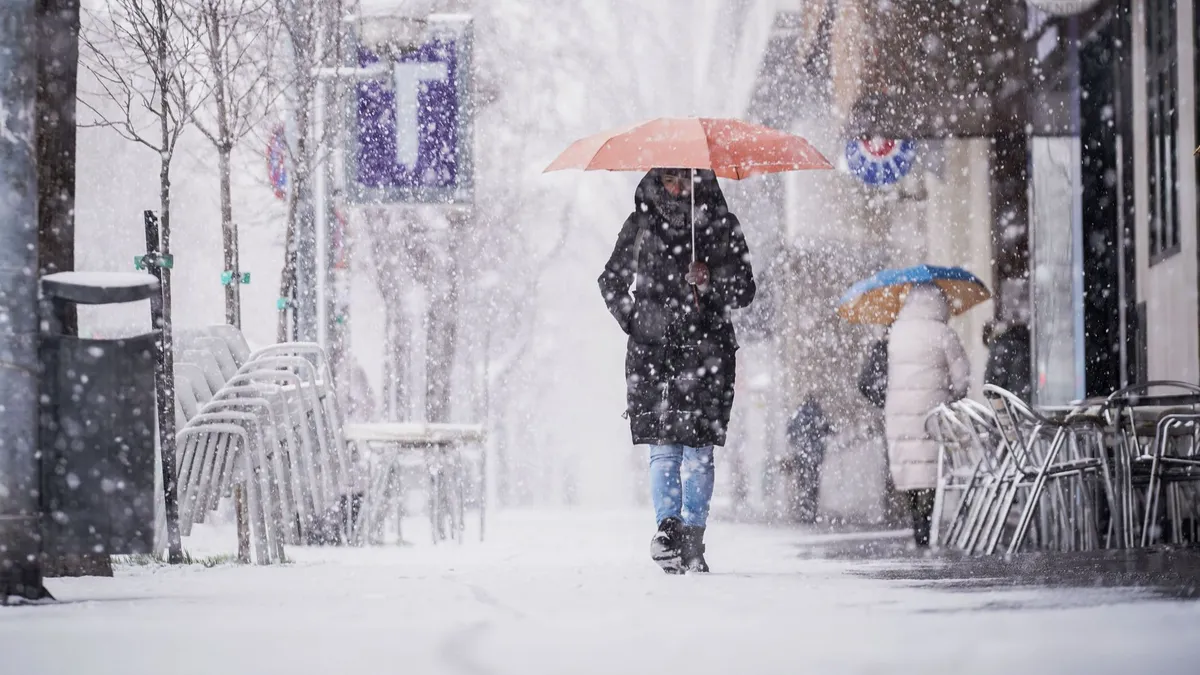
January is the coldest month since 2010 and generates distortions. Drier than average conditions were observed across a large region of central Europe. It is the one that extends northeast to Finland and part of western Russia, Scandinavia and Iceland. The strategic head of Climate at the CEPMPM is Samantha Burgess. He said January 2026 was a “stark reminder” that very cold temperatures in one region and extreme heat in another can occur simultaneously.
"Human activities continue to drive long-term warming. But these recent events highlight that resilience and adaptation to increasing extremes are key. We must prepare society for greater climate risk in the future," he warns.
Leave a Reply