
It is a new and extraordinary discovery from the University of the Witwatersrand (South Africa). Reveals the story of the first egg of a mammalian ancestor. This find is shedding light on one of the greatest survival stories in Earth's history. And it solves a scientific mystery that had been unsolved for decades.
Lystrosaurus was a herbivorous and hardy mammal. It came to prominence after the Permian-Triassic mass extinction, about 252 million years ago. It was the most devastating extinction event our planet has ever experienced. Lystrosaurus survived and thrived in a world marked by extreme environmental instability, intense heat, and prolonged droughts.
Miraculous conservation
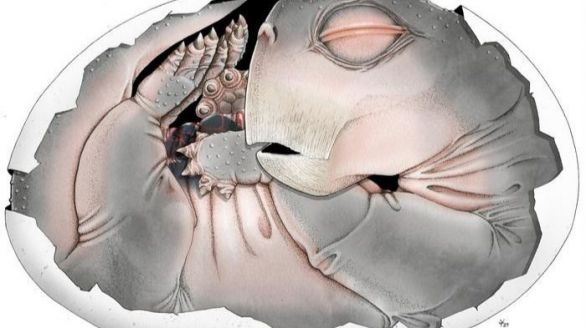
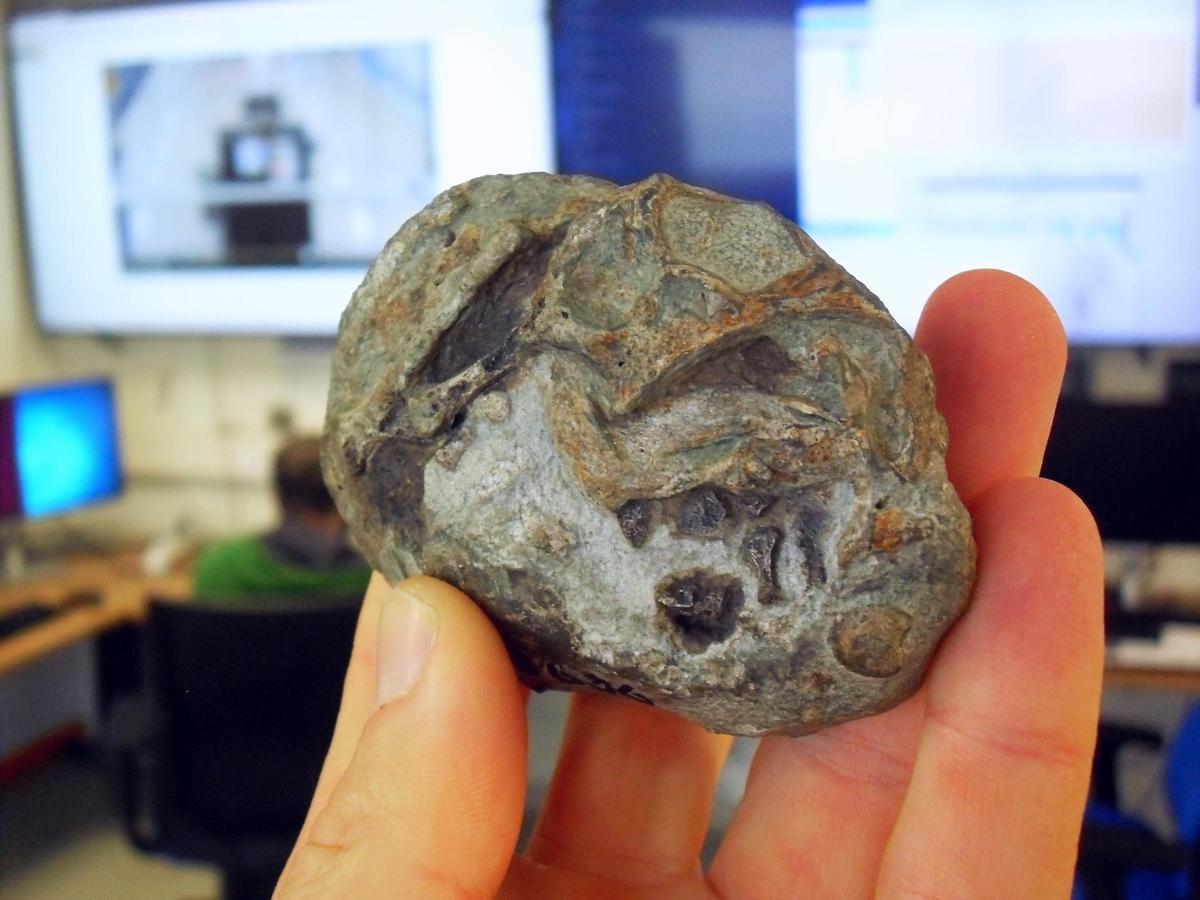
A discovery that transforms the understanding of this iconic survivor. It was first identified by Professor Julien Benoit and Professor Jennifer Botha (both from the University of the Witwatersrand). It is an egg that contains a Lystrosaurus embryo, approximately 250 million years old.
This extraordinary fossil represents the first discovered egg of a mammalian ancestor. It finally answers the question of whether the ancestors of mammals laid eggs. The researchers suggest that these eggs probably had soft shells. Explains why they have remained hidden for so long. Soft-shelled eggs are rarely preserved.
The study reveals that Lystrosaurus laid relatively large eggs for its body size. These usually contain more yolk, providing all the nutrients an embryo needs. It indicates that Lystrosaurus did not produce milk for its young, unlike modern mammals. Large eggs also offer another crucial advantage: they are more resistant to desiccation.
The pups were precocious, born at an advanced stage of development. They could feed themselves, escape predators, and reach reproductive maturity quickly. It was successful thanks to its fast pace of life and rapid reproduction.
Success strategy
In a world on the brink of the abyss, this strategy proved to be unstoppable. This discovery not only provides the first direct evidence of oviposition in the ancestors of mammals. It also offers a powerful explanation for how Lystrosaurus came to dominate post-extinction ecosystems.
The first egg of a mammalian ancestor fills in the gaps of great enigmas. Scientists continue to unravel the biology of ancient survivors. One thing becomes evident: resilience, adaptability, and reproductive strategy were key to surviving Earth's darkest chapter. And this species dominated them all.
Leave a Reply