
It is a curious study from the University of Granada. It was done based on the analysis of dental wear and the identification of chromosomal sex. It allows us to establish that textile production was an activity developed by women for thousands of years. The teeth of prehistoric women textile workers have identifiable grooves. It was possible to reconstruct, thousands of years later, how gender roles were learned, practiced and transmitted in the communities of the southeast of the peninsula.
The study is in the prestigious Journal of Archaeological Science. It reveals how these identities were constructed in that territory based on daily practices that were inscribed on the body itself. Research shows that textile crafts caused different types of marks on teeth. This allows us to explore the social construction of gender more than five millennia ago.
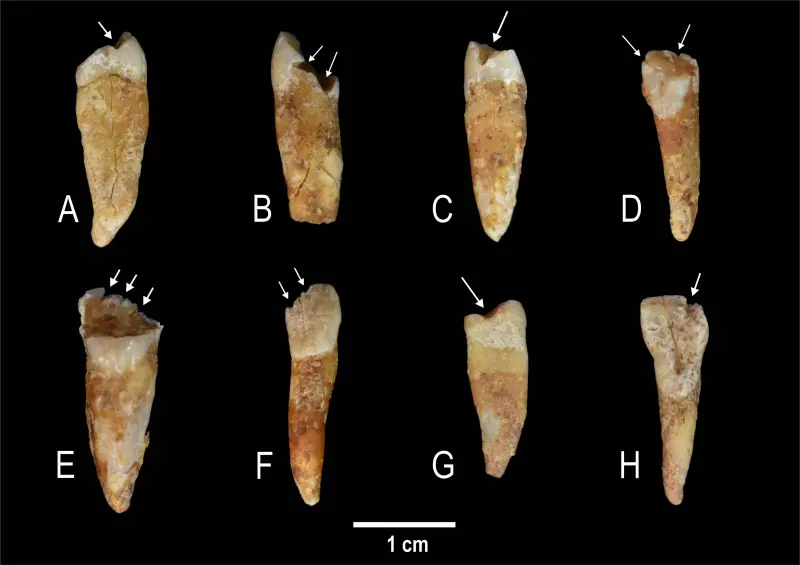
dental marks
The study is based on the populations buried in the megalithic necropolises of Panoría (Darro, Granada) and Los Milanes (Abla, Almería). In them, the researchers analyzed more than 1,400 teeth. They found specific wear patterns produced by the use of teeth in textile manufacturing.
These are deep grooves, polished enamel and microstriations. They were produced by repetitive contact with plant fibers such as flax, esparto grass or hemp. Which is associated with the use of the teeth as a kind of "third hand" for the production and holding of threads. These marks appear exclusively on the front teeth. Also in incisors and canines, especially of the maxilla, which reinforces its functional interpretation. Chromosomal sex was identified from the amelogenin protein present in tooth enamel.
All teeth with marks related to textile crafts belonged to women. This association demonstrates that it was a specifically feminine activity. It was done repeatedly and socially recognizable. From these activities it is possible to analyze how gender identities were constructed. The teeth of prehistoric women textile workers tell us a way of being and being in the world. It cuts across different social and cultural groups in the southeast of the peninsula.
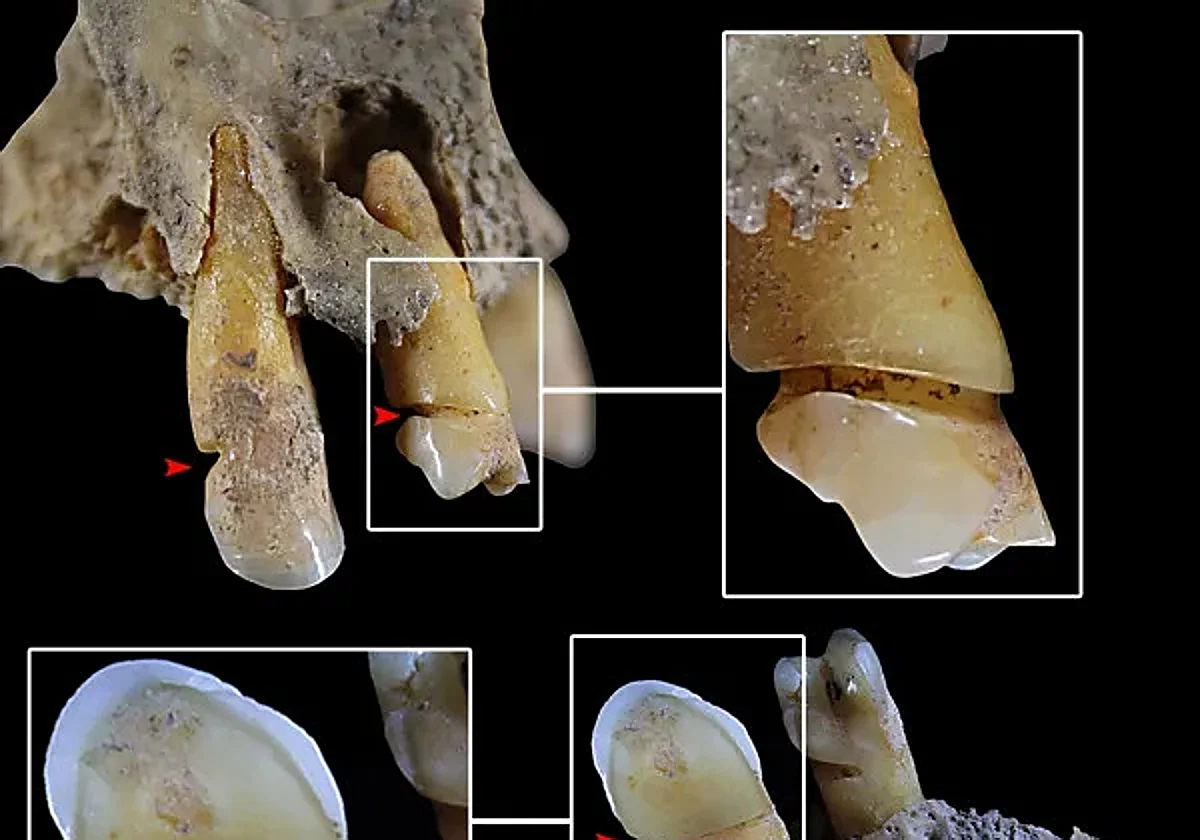
Gender identities
This way of constructing gender identities was maintained despite the cultural changes that occurred throughout the prehistory of the southeast of the peninsula. For thousands of years, teeth marks show that women's association with textile activities remained unchanged. This long-term roots highlight the historical depth of gender identities in the recent prehistory of the southern peninsula. And explains its role in the configuration of social structures.
Leave a Reply