
Did you think not? The different plastic additives in food packaging are dangerous. They can migrate to fish during household storage in the refrigerator and freezer. We are sorry to say, plastic packaging contaminates fish. The investigation is in Environment International. He evaluated this transfer for the first time under real cold storage conditions. They found that migration increases with storage time.
The chemicals used to provide flexibility, resistance and stability to plastics are the cause. Polystyrene trays, compostable trays, films and freezing bags were analyzed. The experiments were carried out with salmon, tuna and hake.
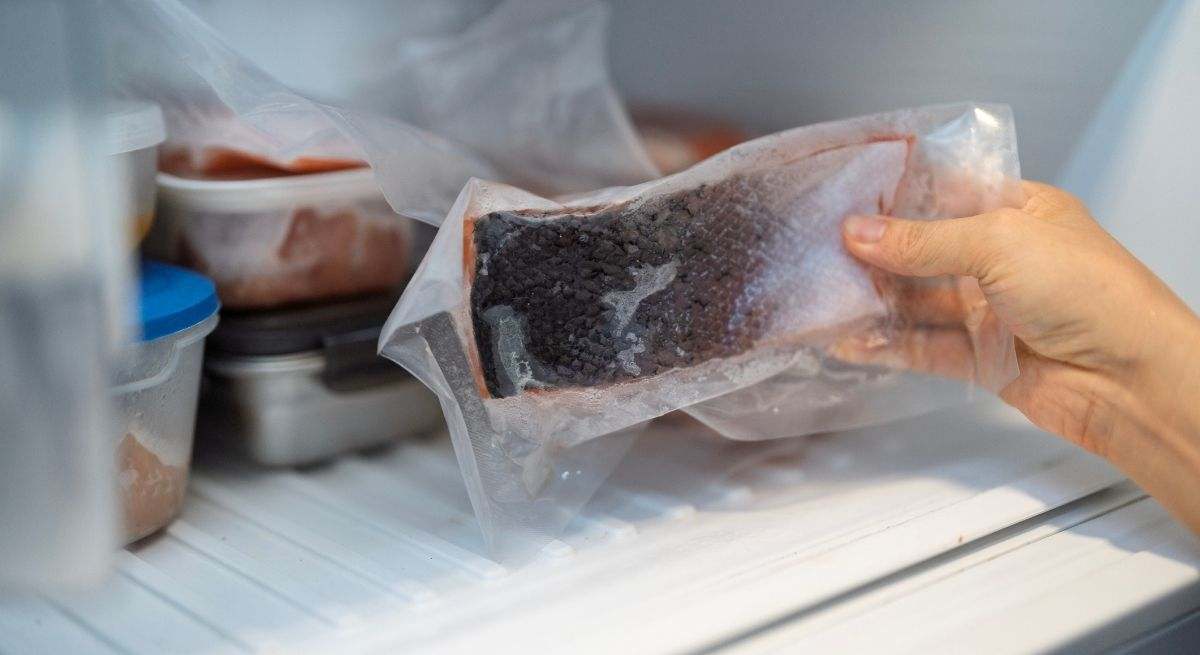
Analyzing fish
«Most studies evaluated the presence of these contaminants directly in the food after purchase. Here we check the fish at home for several days or weeks," they explain. It turns out that the contact time with the container stands out as an important factor. Of the 49 contaminants studied, migration rates of up to 100% were observed for certain compounds, such as bisphenols.
Some alternative plasticizer substances showed very high migration rates in all the fish analyzed. And up to more than 95% in salmon. The behavior of the contaminants varied according to the characteristics of the fish. Fatty fish such as salmon, while other compounds, tend to be more affected. What toxic effects does this have? It could cause endocrine disruption and carcinogenic potential.
The study incorporates an evaluation of exposure to these additives by ingestion for adults, children and infants. The consumption of fresh fish in Spain was estimated. They divided the result by the average body weight of each group. 5 kg for babies 6-12 months, 12 kg for children 1-3 years, and 70 kg for adults. Fish preserved in plastic containers have higher levels of exposure than freshly purchased fish. The highest estimates were for hake frozen for 30 days in a compostable tray. The lowest risk scenarios were for refrigeration inside plastic bags.
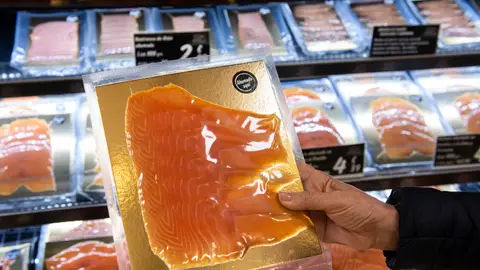
New packaging
Actual home storage conditions should be taken more into account in food safety assessments. Also the design of materials in contact with food. It is urgent to have toxicological data for the new additives that are being introduced into the market. Plastic packaging contaminates fish and that is why the European Union approved a new regulation in 2024 to progressively restrict the use of bisphenols, a plastic input. It is vital to continue advancing in the substitution of these compounds and in the evaluation of new alternative compounds.
Leave a Reply