
The European continent reduces pollution due to emissions from human activity in transport, homes and industry. But there is another factor. The increase in desert dust in Europe worries specialists. Researchers from the Paul Scherrer Institute (PSI) in Switzerland published an article in 'Nature' about it.
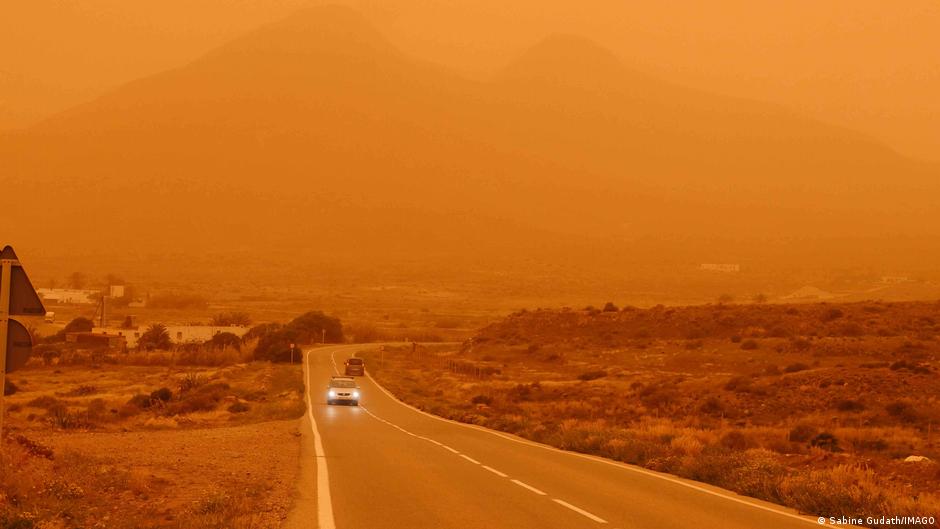
Increased dust
They took data from more than a hundred measuring stations over the last ten years. In southern Europe, the average concentration of desert dust is 5.3 micrograms per cubic meter of air. It is more than double that in central and northern Europe, where an average of 2.1 micrograms was measured. It increased by half a microgram per cubic meter during this period. It is an increase of between ten and twenty-five percent.
There is concern about the continued increase in desert dust concentrations. It partially undermines efforts to reduce human-caused particulate emissions. The increasing desiccation of the Sahara in North Africa is the cause. The alteration of atmospheric circulation patterns is causing increasingly stronger winds from this region to reach Europe.
It is not entirely clear to what extent anthropogenic climate change contributes. But the increase in desert dust is facilitated, at least in part, by human-caused greenhouse gas emissions and associated global warming. This leads to drier conditions in certain regions and the expansion of deserts.
Health
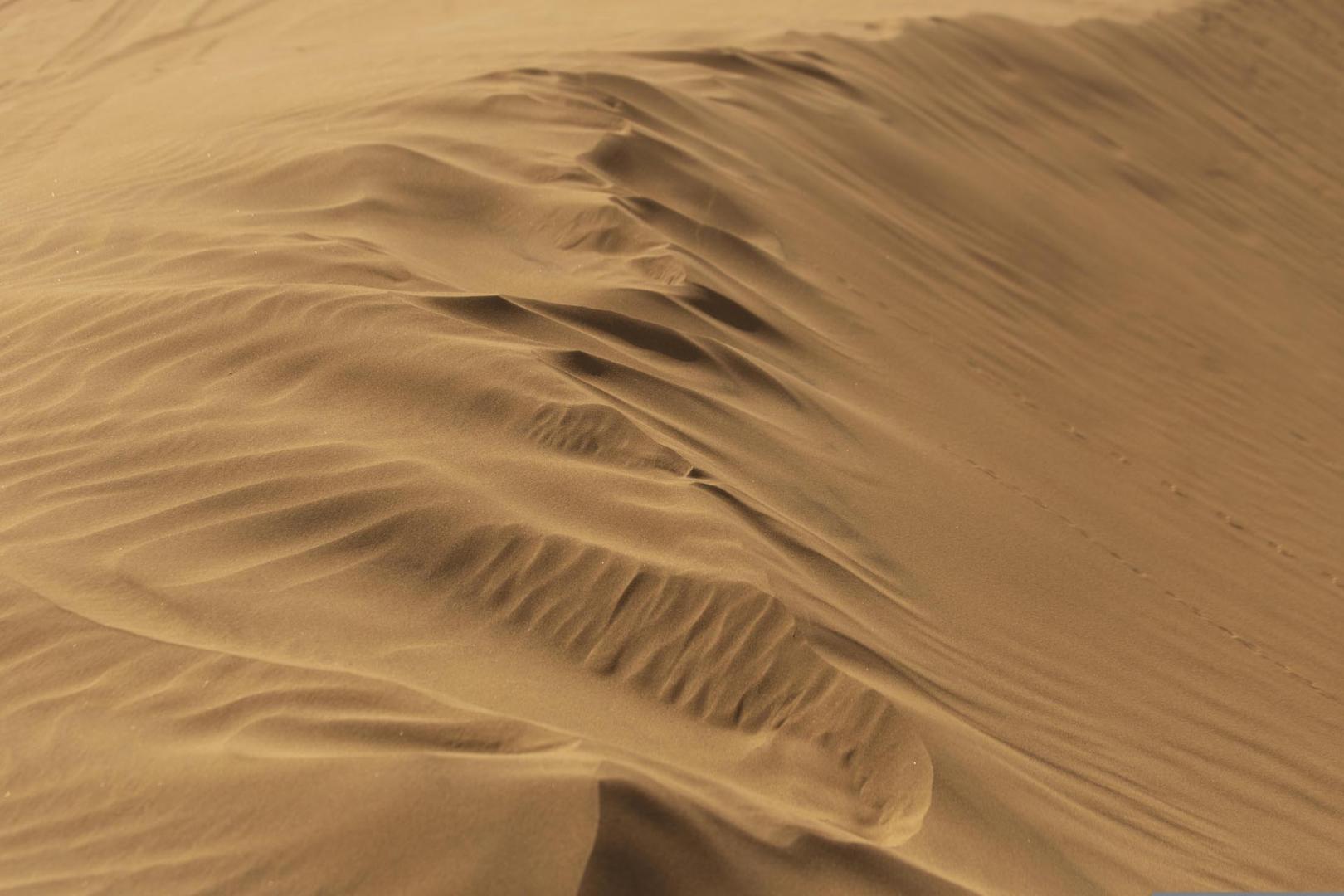
Desert dust in Europe can have health consequences. Long-term effects of transported desert dust are pneumoconiosis, asthma and chronic bronchitis. They could only be conclusively demonstrated by extensive, long-term studies. The immediate increase in mortality on days with high levels of suspended desert dust is well documented. Considerably more people die from heart attacks and respiratory problems on days with dust pollution than on other days.
Southern Europe is particularly affected, from Greece in the east, through Italy, to Spain and Portugal. The study also detected elevated levels of dust in western France. This is because air masses from the Sahara usually flow into the Atlantic and then turn north towards Western Europe.
Leave a Reply