
It is a disease that is frequently fatal for them. However, it is spreading rapidly among the population and a rapid response is necessary. Chlamydia decimates koalas and they are looking for solutions to this evil. Chlamydia has become a serious epidemic among koalas. It affects up to 88% of these animals in some populations on mainland Australia. Caused by bacteria Chlamydia pecorumcan cause blindness, infertility, pneumonia. Unlike chlamydia in humans, which is rarely fatal, it can cause death in humans. Chlamydia has spread throughout the continent. But on a nearby island, the disease has never been recorded.
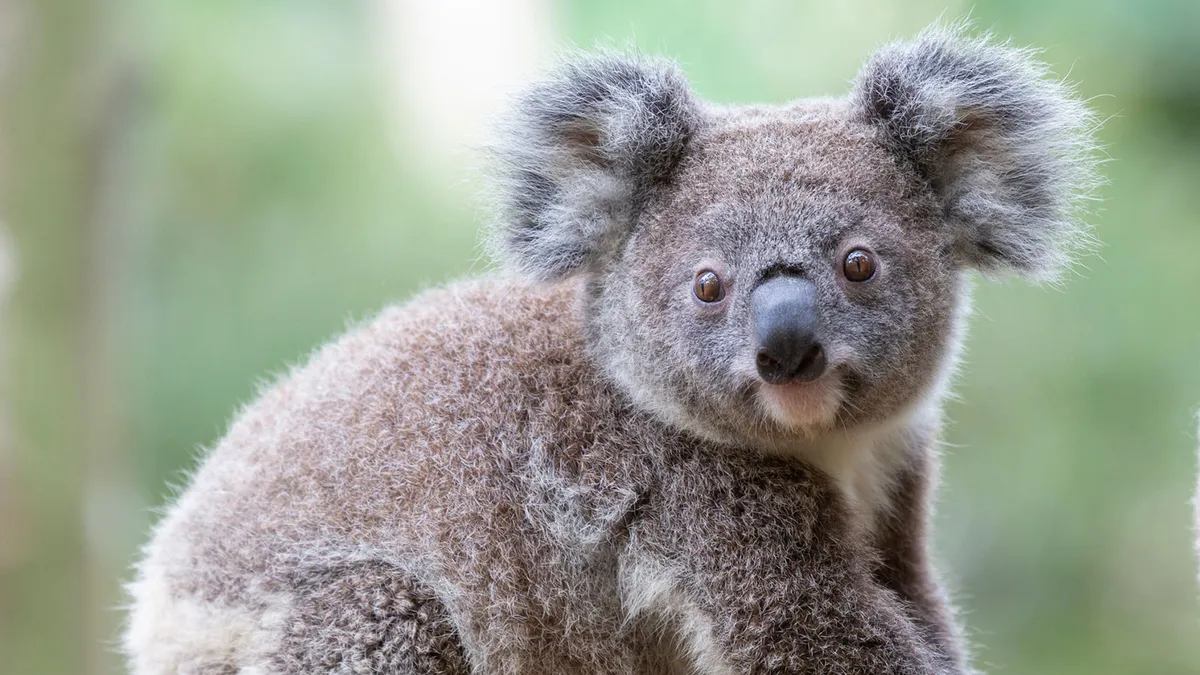
refuge island
Kangaroo Island is believed to be home to the largest population of chlamydia-free koalas in the world. It represents a kind of life insurance for the species. However, these koalas face another threat: more than a century of isolation has left them deeply inbred and genetically fragile. This is what has led Burke Da Silva and his colleague Julian Beaman to study the region's koalas.
They hope to first improve the genetic diversity of Kangaroo Island koalas and then introduce them to other areas of Australia with low prevalence of chlamydia. In this way they can help to face the difficult situation that the species currently faces.
Koalas are native to eastern and southeastern Australia. They are classified as vulnerable species by the International Union for Conservation of Nature (IUCN). In general terms, they remain numerous—with a total population officially estimated between 398,000 and 569,000 individuals. But they have been steadily declining for decades and today they survive mainly in small and fragmented populations.
This has reduced their ability to adapt to the effects of climate change, habitat loss and disease. «In each of these strongholds, endogamy and random population fluctuations occur. They increase the risk of extinction,” explains Beaman. "If we're not careful, it will be a long and painful death."
The first step will be to bring genetically diverse, chlamydia-free male koalas from the mainland to breed with local females at the sanctuary. Managing breeding in captivity would be impractical on this scale. The team plans to fence off areas of the forest where the animals can interact naturally. Genetic rescue attempts can backfire if poorly planned. They could, for example, undermine the genetic integrity of some of the populations.
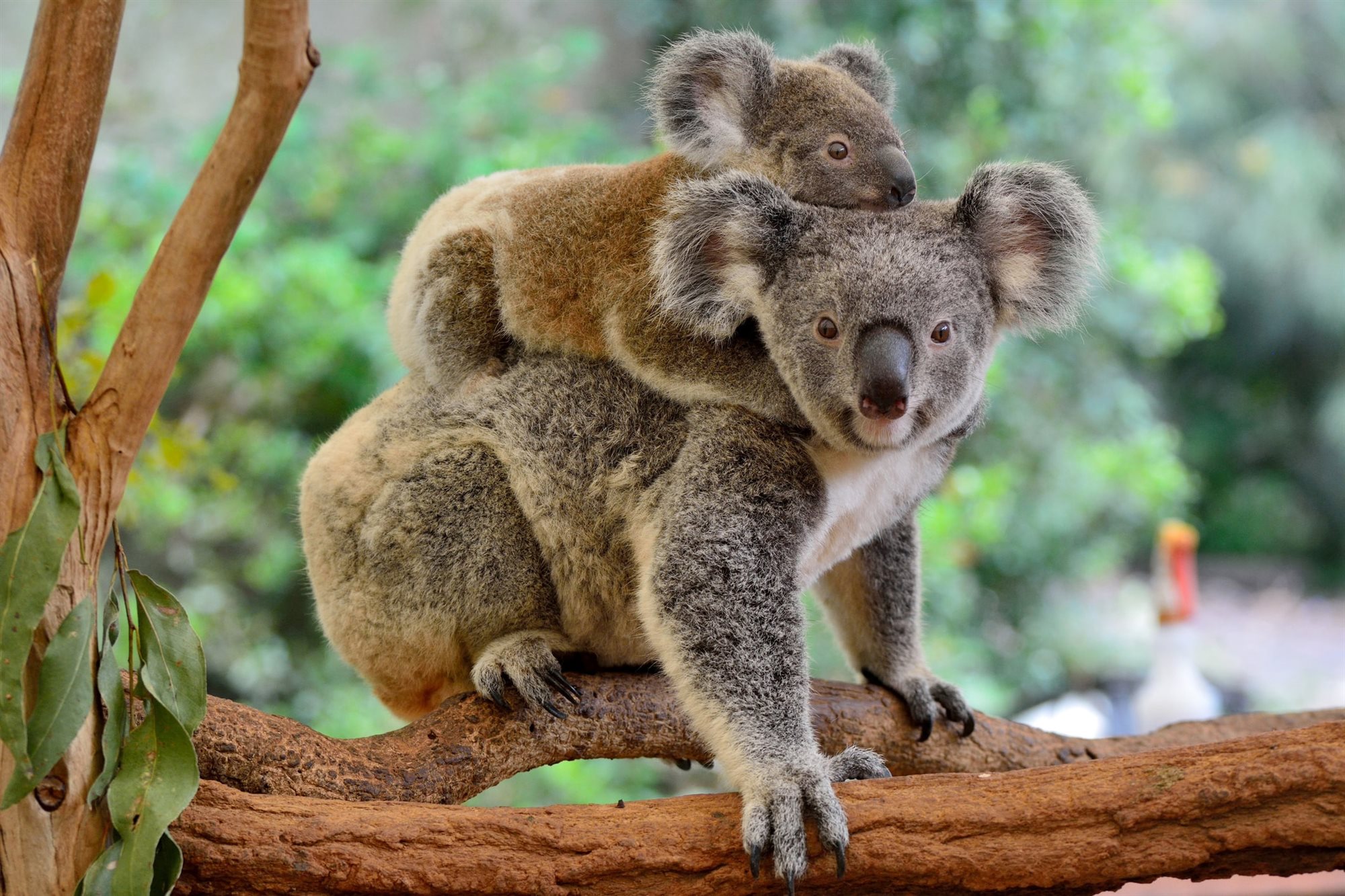
Genetics
Chlamydia decimates koalas and the answer could be in the genes. But what would happen if genetic diversity remained too low? A second group of koalas from another population on the continent would be incorporated into the population on Kangaroo Island. "We will have to analyze the genetics after the first phase and use the models to decide if a new introduction is necessary," they say.
Leave a Reply