
It was in 1826. That year, humanity benefited from a stroke of luck. It would forever change the way we generate light and heat. The English experimental pharmacist John Walker was mixing chemicals to make explosives. Accidentally, a stick impregnated with the mixture hit a stone in front of his fireplace and spontaneously caught fire. This was the chance discovery of matches.
Walker was born in 1781 in Durham. James Watt's steam engine debuted commercially in 1776. Steam locomotives could soon haul passenger trains at 50 km/h. But to light the fires that produced this energy, people continued to fight with flint and steel.
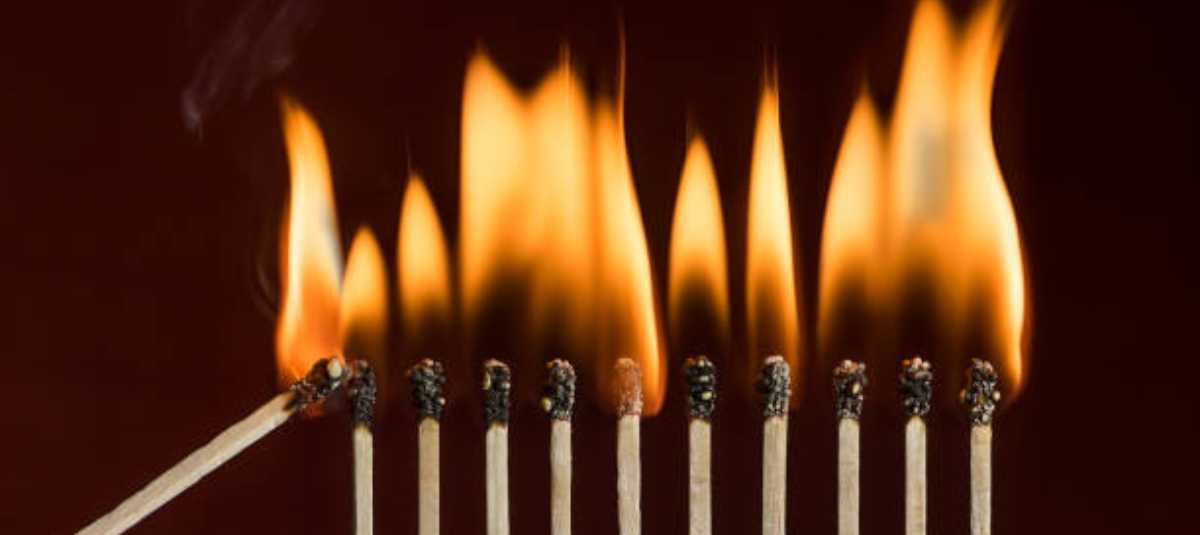
friction lights
A surgeon by training, Walker became a pharmacist. He experimented with chemical compounds. One of his passions was chemistry. He mixed chemicals to make detonating capsules for his farmer friends. One day, he was mixing a substance and let it dry. Once dry, he simply tapped a piece of wood against the hearth, and it lit. It was a moment of genius. Something that no one else in the world had achieved before.
He realized the commercial potential of this. The first sale was in April 1827. He called them friction matches. At first they were sold by the hundreds in cans. They were very thin and flat wooden rods. They had one end dipped in a paste of potassium chlorate, antimony sulfide, gum arabic, and water. When the match touched a piece of folded sandpaper, it burst into flame.
In 1829, Samuel Jones of London launched his own "Lucifers." An exact copy of Walker's Friction Lights, which became the first mass-produced matches. The size and shape of the matchbox also changed. In 1844, a Swedish version popularized the modern matchbox.
The manufacture of matches became a craft activity. They were produced at home, providing families with extra income, although somewhat risky. Another invention, the lighter, subsequently caused a marked decline. Matches are still a common item around the world. They continue to be an essential element. However, its inventor remains unknown. Walker, 200 years later, deserves greater recognition. Walker was a historical figure who did not want to follow in the footsteps of his invention.

Recognition
Many hope that the 200th anniversary celebrations will finally give this extraordinary local inventor the recognition he deserves. The chance discovery of matches changed the world. It allowed a flame to be created instantly, with little effort. This made everyday tasks, both industrial and domestic, much easier and faster.
Leave a Reply