
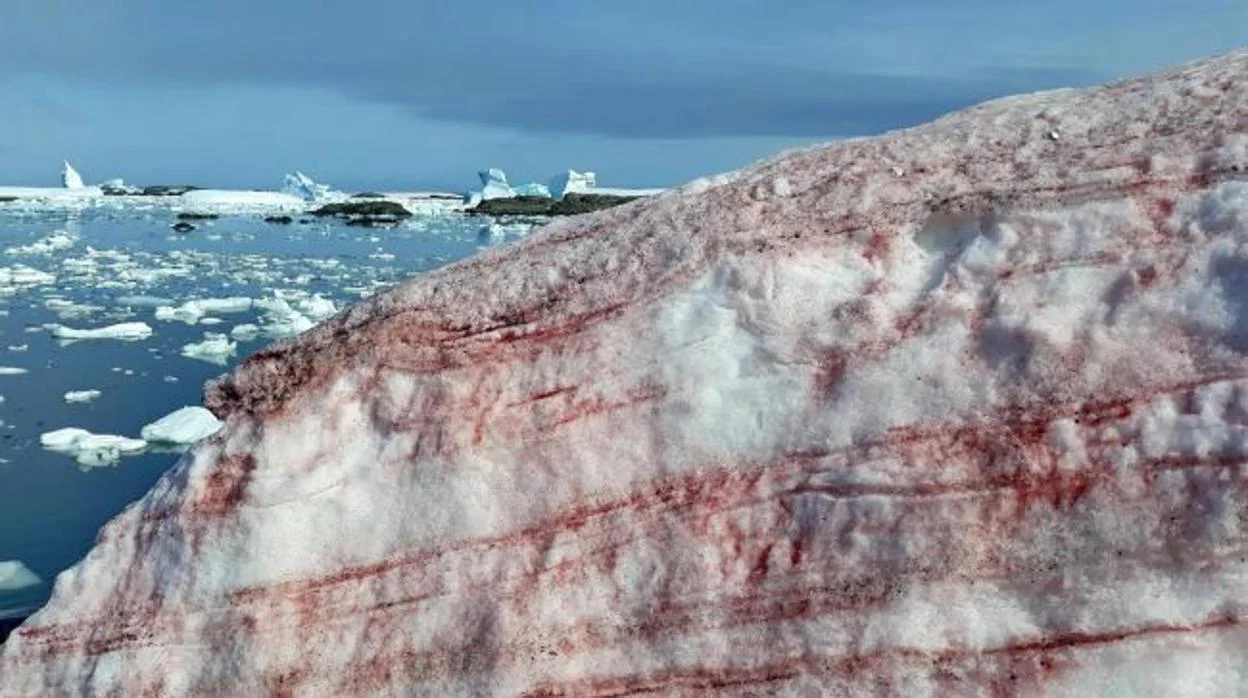
Red algae blooms in Antarctica are much more extensive than expected. They cover more than 10% of the South Shetland Islands archipelago. Red algae invade Antarctica and this means risk. They accelerate melting by reducing the surface's ability to reflect solar radiation.
Red algae is the generic name given to certain species of microalgae. Growing during the southern summer (December to February), they give the snow a slight reddish color, giving rise to the phenomenon known as "pink snow."
Harmful proliferation
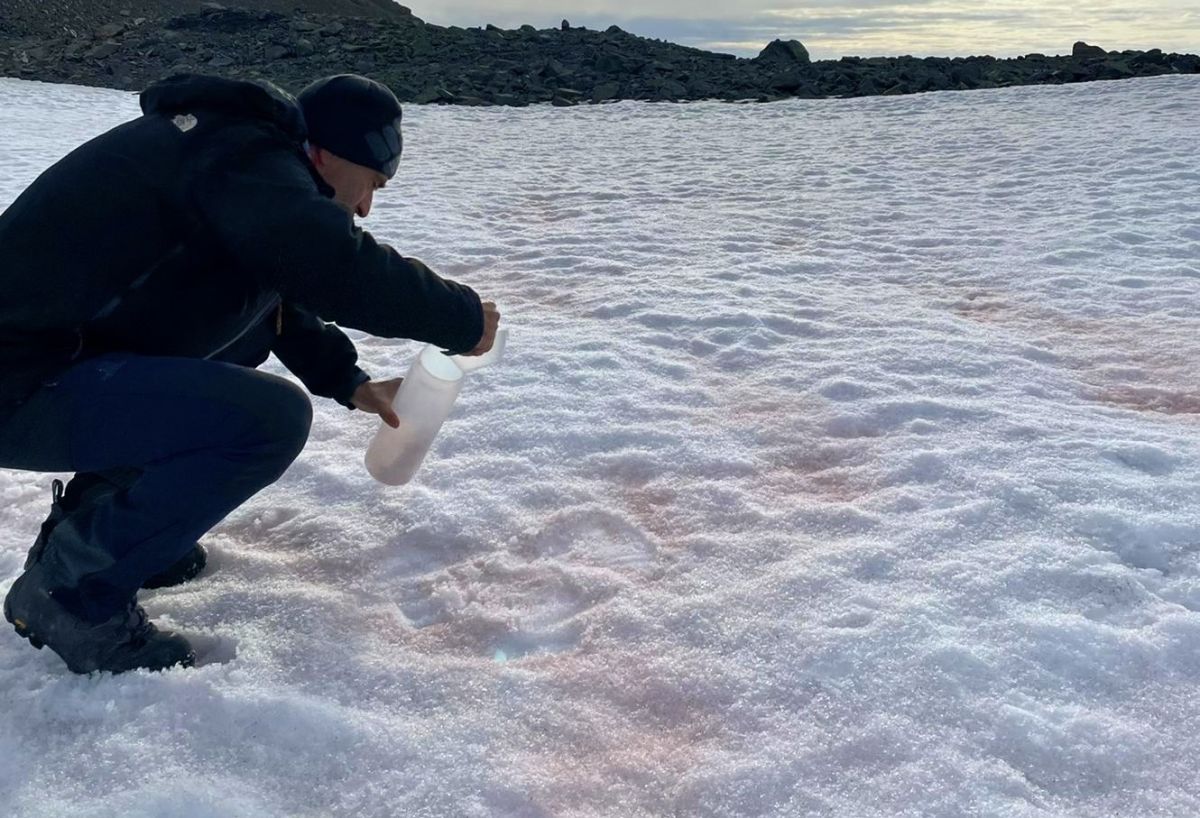
A study analyzed its growth in the South Shetland Islands. It is an Antarctic archipelago located about 120 kilometers from the frozen continent, key to Spanish polar research. It hosts the Spanish Antarctic bases Gabriel de Castilla (Decepción Island) and Juan Carlos I (Livingston Island).
During the southern summer, these microalgae can occupy between 3% and 12% of each island. It is a maximum area of 176 square kilometers, a much larger area than documented to date. The phenomenon was recorded both in glaciers and in coastal snow and polar caps. Red algae reduce the surface's ability to reflect solar radiation by up to 20%. Promotes heat absorption, accelerating the melting of snow and ice. And the increase in snowmelt creates even more favorable conditions for the proliferation of these algae.
Red algae invade Antarctica and it is something that affects the entire region. The study verifies and demonstrates that “these proliferations are not isolated local phenomena. "They are widespread processes that could have a significant impact on the energy balance and melting dynamics in Antarctic coastal areas."
Affecting ecosystems
The study also indicates that the results of the study provide key information for monitoring the evolution of polar ecosystems. It serves to better understand the role that these microorganisms play in the melting processes and in Antarctica's response to global warming.
In addition, the work lays the foundations for the development of continuous monitoring systems for these algae through remote observation and artificial intelligence. It is a key tool for assessing the ecological impacts of climate change in especially vulnerable polar regions.
Leave a Reply