
It is a worrying growing reality. In the Pacific, a third of fish have microplastics. There are especially high rates in Fiji, according to an analysis published by the University of the South Pacific (Oceania). The data is in the open access journal 'PLOS One'.
Microplastic pollution in marine environments is a global problem. It affects ecosystems and human health. Pacific Island Countries and Territories (PICTs) may be particularly vulnerable to microplastic pollution. Many coastal communities depend on fish for their nutrition, livelihood and culture, so they could be affected by the consumption of contaminated food.
Plastics everywhere
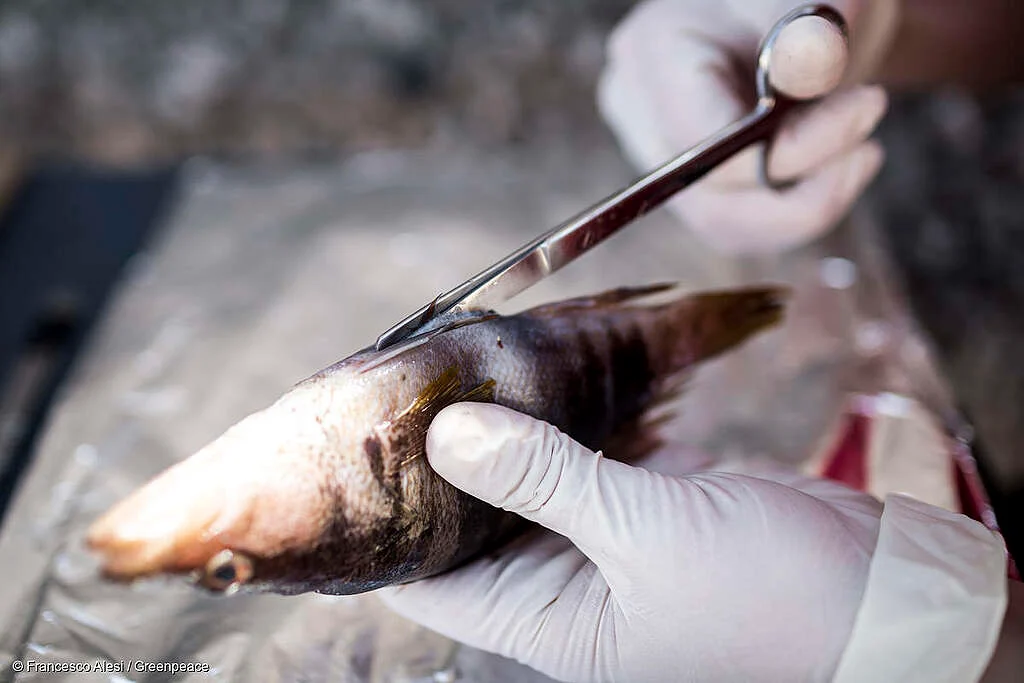
The researchers assessed the prevalence of microplastics in 878 coastal fish from 138 species. They were located in fishing communities around Fiji, Tonga, Tuvalu and Vanuatu. About a third of the fish contained at least one microplastic particle. Pollution rates varied between islands.
In Fiji, almost 75% of fish contained microplastics, significantly higher than the global average of 49%. The amount of plastic found in each fish was very low. In contrast, only 5% of fish caught in Vanuatu were contaminated with microplastics. Each island is home to different fish communities.
Reef fish and bottom fish were contaminated more frequently than coastal fish. The study highlights the pervasiveness of microplastic pollution even in some of the most remote places on the planet. There is a high rate of microplastic pollution in Fiji, compared to other islands and the global average. It could be due to high population density, extensive coastal development and less effective waste management practices.

Even far away
The researchers point out: «There is a constant pattern of high contamination in species associated with reefs. Ecological characteristics are key predictors of exposure. "The failure of current waste management systems, or lack thereof, leaves even the most remote island ecosystems unprotected."
If a third of fish have microplastics in such remote places, it's time to do something. Recycling programs are insufficient. Only a Global Plastics Treaty that imposes strict limits on primary production of plastics could make a difference.
Leave a Reply