
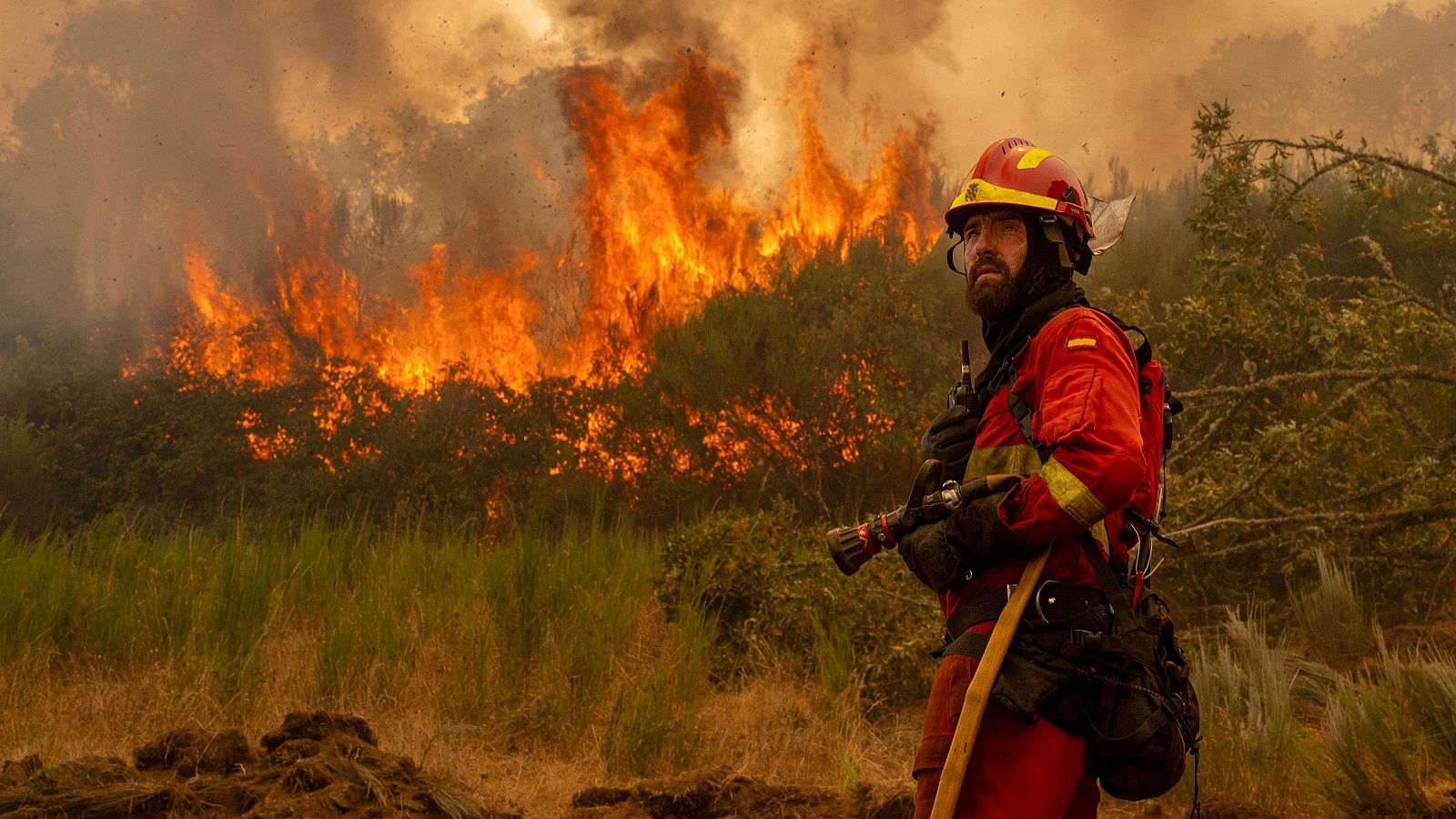
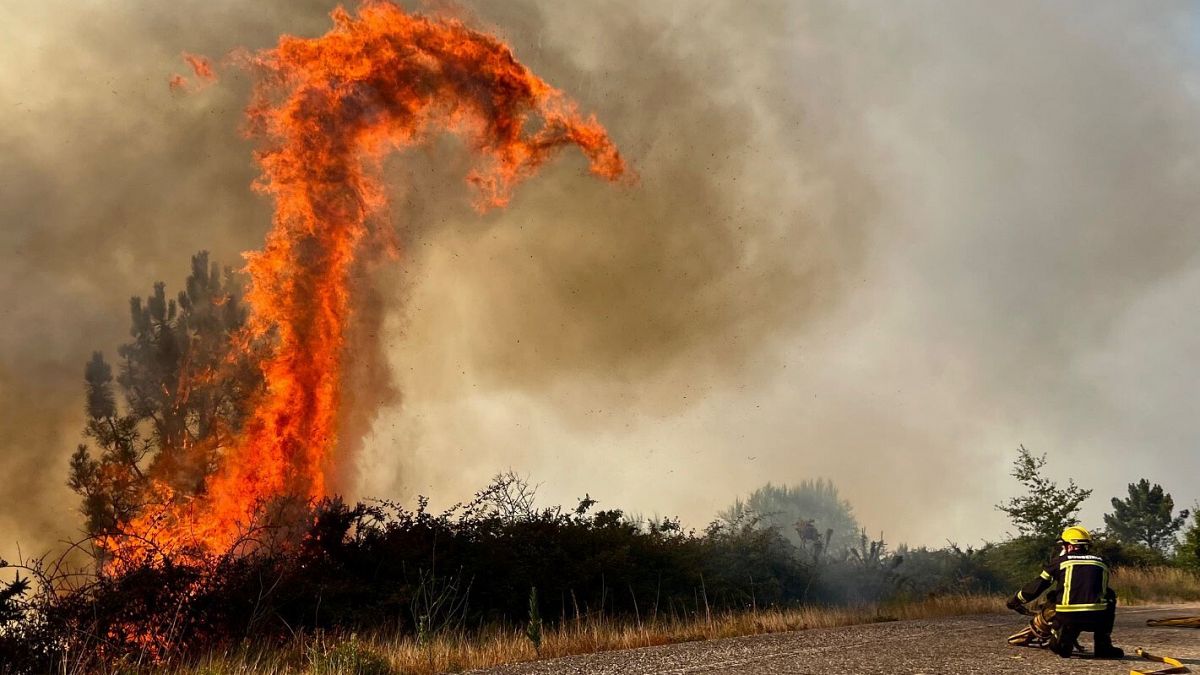
It is in sight of all, and science confirms it. Climate change multiplied the probability of certain extreme climatic conditions. They are the ones that fed forest fires in Portugal and Spain last August. On average, fire risk increased 40% worldwide.
Likewise, the fires recorded in that period in the Iberian Peninsula were 30 % more intense than if the world had not heated. A World Weather Attribution (WWA) says it. It is a group of scientists from Imperial College in London.
Heat waves
The conclusions were based solely on an analysis of weather data, reports Bloomberg. "These fires are a sign of what is to come." It was stated by Clair Barnes, a researcher at the Imperial College Environmental Policy Center and Co -author of the study. «With each fraction of degree of heating, the extreme and durable heat waves will continue to intensify. And this is what increases the probability of large forest fires such as those that burned vast areas of the Iberian Peninsula ». They tell him in a statement.
More than one million hectares (2.5 million acres) of land have burned throughout Europe this summer. Spain and Portugal represent approximately two thirds of the total. Almost 3% of Portugal's earth's surface has burned. Meanwhile, in Spain, the fires have razed almost five times the average annual. In just one week, fires in Spain affected more than 175,000 hectares.
Changes on time
Historically, the 10 -day periods of extremely high temperatures, droughts and extreme winds occur once every five centuries. In a world in warm -up, it is now expected to occur once every 15 years. It is what the WWA investigation says.
«Fire risk increased 40%, but deaths and damage are avoidable. All levels of government must collaborate to adapt to climate change ». It was stated by Friederike Otto, professor at Imperial College and co -author of the study. "However, ultimately, the world needs to stop burn oil, gas and coal."
Leave a Reply