
It is a growing group of scientists from around the world. They harness the potential of regenerative medicine to replace traditional dental procedures. This is how they benefit the millions of people who suffer from tooth loss and oral pain. Scientists who regenerate teeth explore cutting-edge alternatives. If your vision comes true, a visit to the dentist could one day consist of regenerating damaged tooth tissue or even an entire tooth. They would avoid repairing it with synthetic materials or removing it.
Dental problems increase the risk of heart disease and respiratory infections. Tooth loss is associated with a higher incidence of disease and premature death. It affects the ability to eat, chew and smile, and can impair social and emotional well-being. Cavities are treated by removing damaged tissue and filling the gap with a synthetic material, such as a composite resin. They focus primarily on “repairing damage rather than restoring biological function,” they say.
New solutions
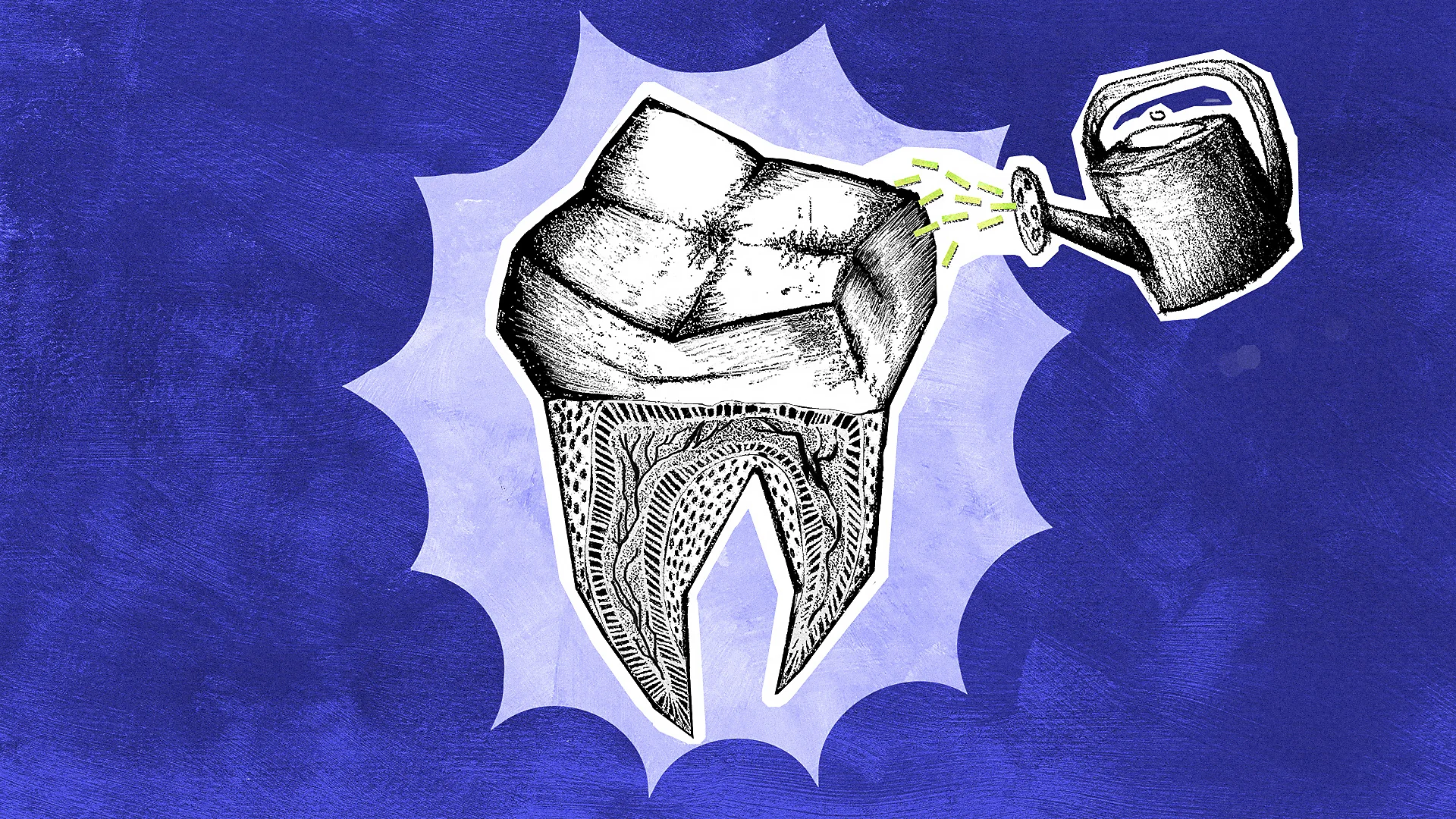
Regenerative dentistry can represent a paradigm shift. Teeth consist of four main layers: enamel, dentin, cementum, and dental pulp. Dentin, located under the enamel, is softer and less resistant to cavities. When enamel is lost and dentin is exposed, the risk of cavities increases considerably.
Proteins that help dentin grow, mineralize and repair itself were investigated. This allows new treatments capable of stimulating damaged teeth to repair caries lesions on their own by generating new dentin. This would eliminate the need to use traditional fillings to cover the gaps.
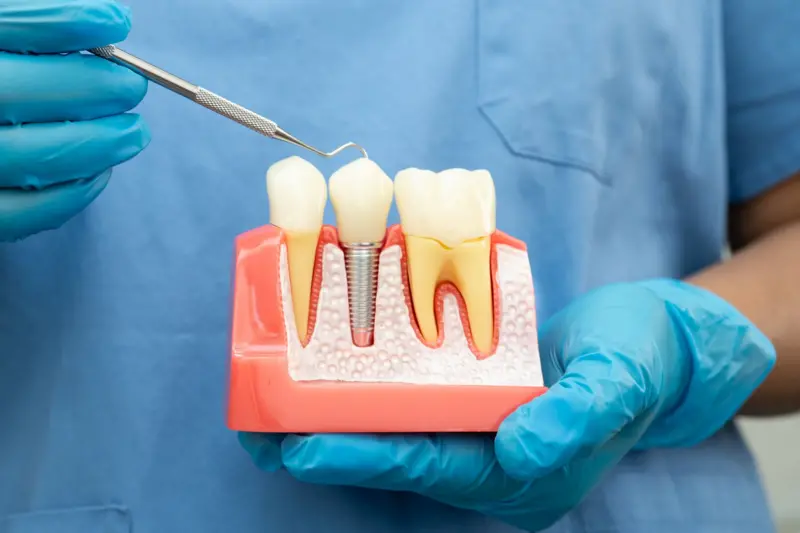
Chemical signals are also experimented with to induce certain stem cells to produce dentin. In the future, enamel proteins would be applied to cracked teeth. But scientists who regenerate teeth aim to obtain a complete tooth grown in the laboratory. They want to implant the cells designed to form a tooth in the patient's mouth and let "nature take care of the rest."
Regeneration
Unlike other species, humans cannot generate new teeth. But sharks have an inexhaustible supply of teeth. They constantly regenerate them using a mechanism similar to a conveyor belt. Both kangaroos and elephants develop several sets of molars throughout their lives.
Teeth are “highly sophisticated living organs.” Attempts to replicate them in the laboratory have another effect. They teach scientists how hard and soft tissues interact at a fundamental level. Over time, safe and sustainable regenerative dental solutions will be available to the public.
Leave a Reply