
A new study has examined more than 200,000 records of sea stars, a group also known as Asteroid. They dedicated themselves to mapping where they live in the oceans. And discovered that sea stars challenge nature
From the surface to the marine depths, the diversity patterns of sea stars change. "It was shown that, in shallow waters, there are more species in the tropics than in the poles." Hugh Carter, an expert in these creatures in the Natural History Museum and main author of the study, explains it in a statement. «But as we enter the depths, diversity changes. We begin to lose tropical diversity and this begins to increase as we enter the temperate zones ».
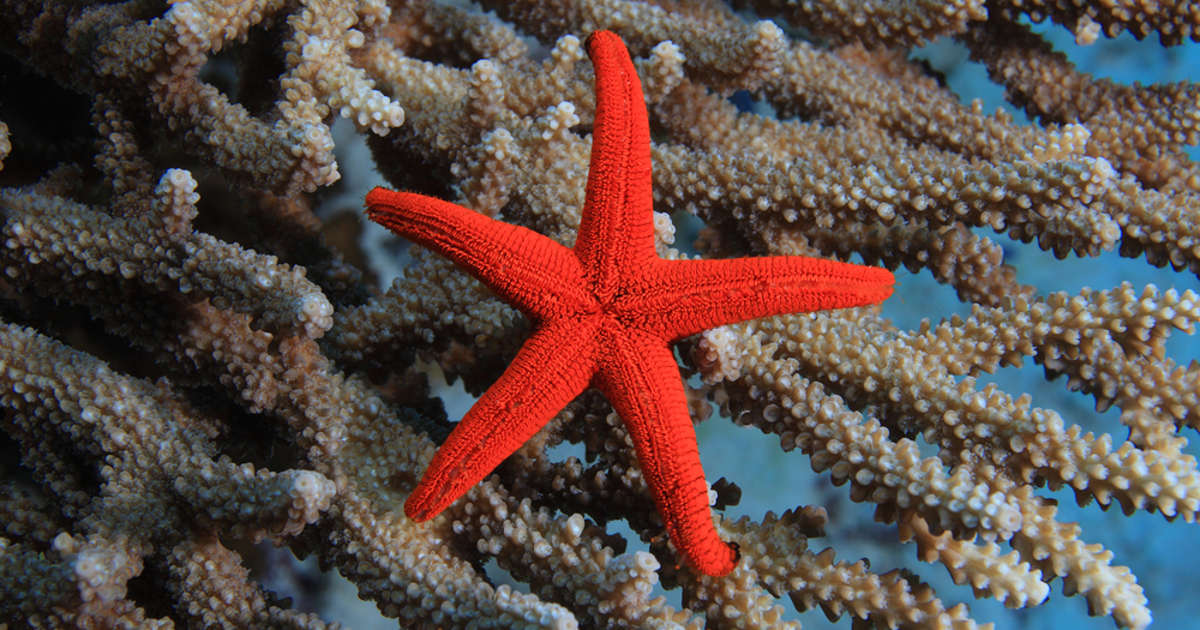
Animal pattern
This is a fascinating pattern of diversity of sea stars in marine depths. But it contradicts one of the best studied phenomena in natural history. The study has been published recently in Nature Ecology & Evolution.
One of the best known patterns is called latitudinal diversity gradient. This trend reveals that there are more species of plants and animals living throughout Ecuador and less as we approach the poles.
Consider the amount of plants and animals that live in the Arctic and Antarctica compared to those living in the Amazon jungle. There, this trend might seem obvious. However, these observations often require verification to confirm their veracity.
Hundreds of studies have shown that this is so. As we approach Ecuador, the number of species in specific groups usually increases. This has even been demonstrated in the remote past. It is difficult to determine the reasons, but it is believed that a factor that contributes is the temperature.
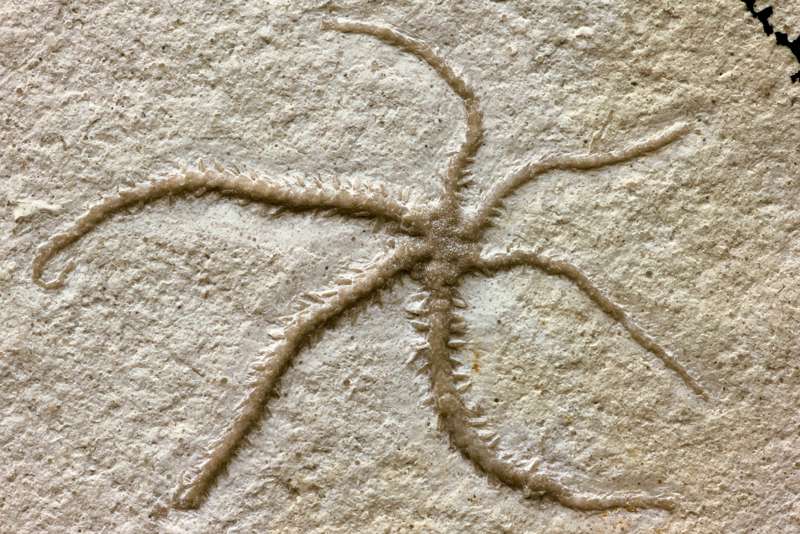
Looking for Ecuador
"We want to know if that trend still exists in marine depths," Hugh asks. «One of the main correlates of the gradient and the species is the temperature. We could expect that in shallow waters there is a strong correlation between the diversity of species and the temperature. But as we deepen, the environment becomes quite homogeneous. The sea depths have approximately four degrees everywhere ».
Discovering that sea stars challenge nature was a consequence of the study. They sought to know if there was an increase in the number of species around Ecuador. And apparently, even deep water happens where the temperature remains relatively stable.
Leave a Reply