
This is the case with many commonly trafficked marine wildlife items, such as shark fins. They can be hidden in luggage or packages and transported without detection. But scientists from Macquarie University (Australia) thought of a tool to prevent it. AI could combat smuggling of seahorses and other species.
"The wildlife trade is cruel and unethical," says Dr Vanessa Pirotta of Macquarie University. “For many, this may be the first time they have heard of illegal marine wildlife trafficking. "We take advantage of this World Oceans Day to make this problem visible."
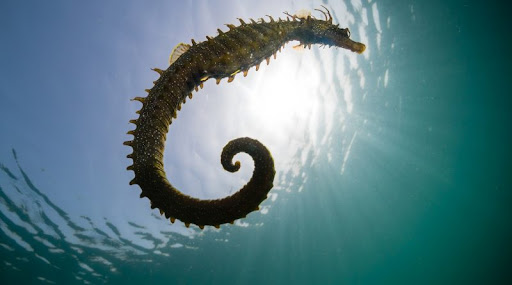
High effectiveness
The illegal trade in marine fauna moves billions of dollars every year. It is a serious threat to endangered animals. It endangers the survival of populations that live in a precarious balance. And animals that are trafficked alive could escape and become invasive species in other ecosystems.
Existing X-ray CT scanners were reused. They are used in many airports to detect explosives or biosecurity threats. They created a neural network to train an algorithm capable of recognizing commonly trafficked species in these images. The scientists chose to work with shark fins, seahorses and sea cucumbers.
They performed a total of 298 scans of 20 different samples. The smugglers' tactics were imitated (wrapping them in cans or clothing, or hiding them in children's toys). The scientists used these images to train the algorithm to recognize shark fins, sea cucumbers and seahorses. The algorithm had an overall effectiveness of 92%. This high accuracy suggests that this automatic detection algorithm could be a powerful tool. It can intercept shipments that currently bypass existing controls. It would help cut off trade routes and secure convictions for those who traffic marine fauna.
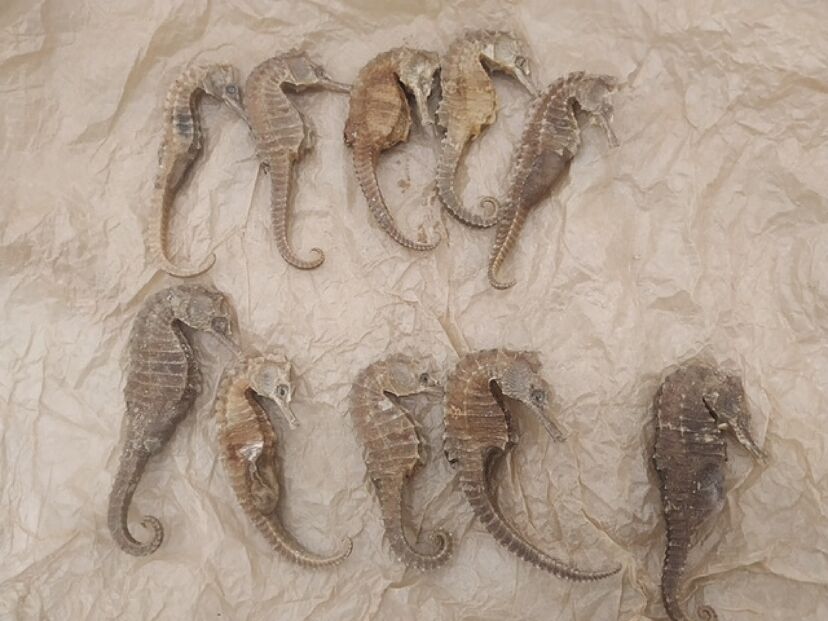
Solutions
Smuggling of seahorses and other species has several facets. This is only part of the solution. Many other species are also illegally trafficked, and false positives will continue to require manual checks. Additionally, not all airports have access to scanners like these. Automatic detection will complement existing detection methods, rather than replace them.
“We can only simulate real traffic scenarios based on what has been detected previously,” they say. “AI is not the ultimate solution for detection, nor a substitute for human detection and sniffer dogs.”
Leave a Reply