
Pór was learned from the anger of a cow tooth, found at the southern entrance of Stonehenge. Data from the beginning of the monument, between 2,995 and 2,900 before Christ. And helped decipher the mysteries of its construction, according to the British Geological Survey (BGS). The cow tooth found in Stonehenge counts more than it is believed.
The existence of a link between Stonehenge and two Flames of Wales, in the United Kingdom was confirmed. It is considered that they could be the origin of the "legendary" blue stones of Stonehenge. The researchers used the isotopic analysis of the third molar of the cow to discover what their diet, environment and movements were.

Chemical analysis
Record chemical signals of the second year of the animal's life. They measured the isotopes of carbon, oxygen, strontium and lead. Each offers clues about the diet, the environment and the movement of the cow. The animal diet changed with the stations. Forage of forest in winter and open pastures in summer. The isotopes indicated that seasonal food sources came from different geological areas. It suggests that the cow moved seasonally or that the winter fodder was imported.
The composition suggests that the cow comes from an area with paleozoic rocks, such as the bluish sandstones of Wales. It is the first time that scientists have found evidence that links Stonehenge's cattle with Wales. Reinforces the theory that cows were used in the transport of huge rocks through the country.
The study reveals unprecedented details of six months of the life of a cow. It is the first evidence of the cattle movement from Wales, in addition to documenting changes in the diet and vital events that occurred about 5,000 years ago.
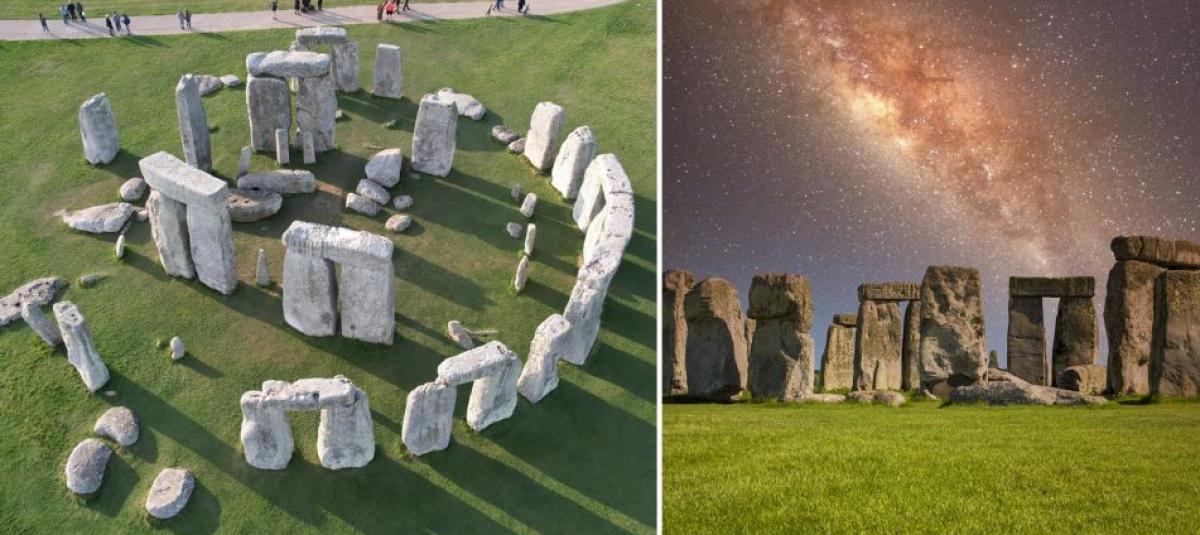
Blue stones
The "unusual" lead signal could not be explained only by local pollution or movement. It could be because the lead stored in the bones of the cow had removized during pregnancy stress. Therefore, the animal is likely to be a female.
The British prehistory professor at London University, Michael Parker Pearson, says it. »The cow tooth found in Stonehenge proves its link with the southwest of Wales, where their blue stones come». "It raises the tempting possibility that cattle will help transport them," he said.
Leave a Reply