
There are many theories that try to explain why Neanderthals disappeared. This occurred approximately 40,000 years ago. It was believed that it was due to the continuous biological deterioration derived from geographical isolation and, above all, endogamous reproduction. But the last survivors of the species Homo neanderthalensisin northwest Europe they have just blown up that approach. This is explained by an international team of researchers from the Max Planck Institute for Evolutionary Anthropology in a recent article published in Nature.
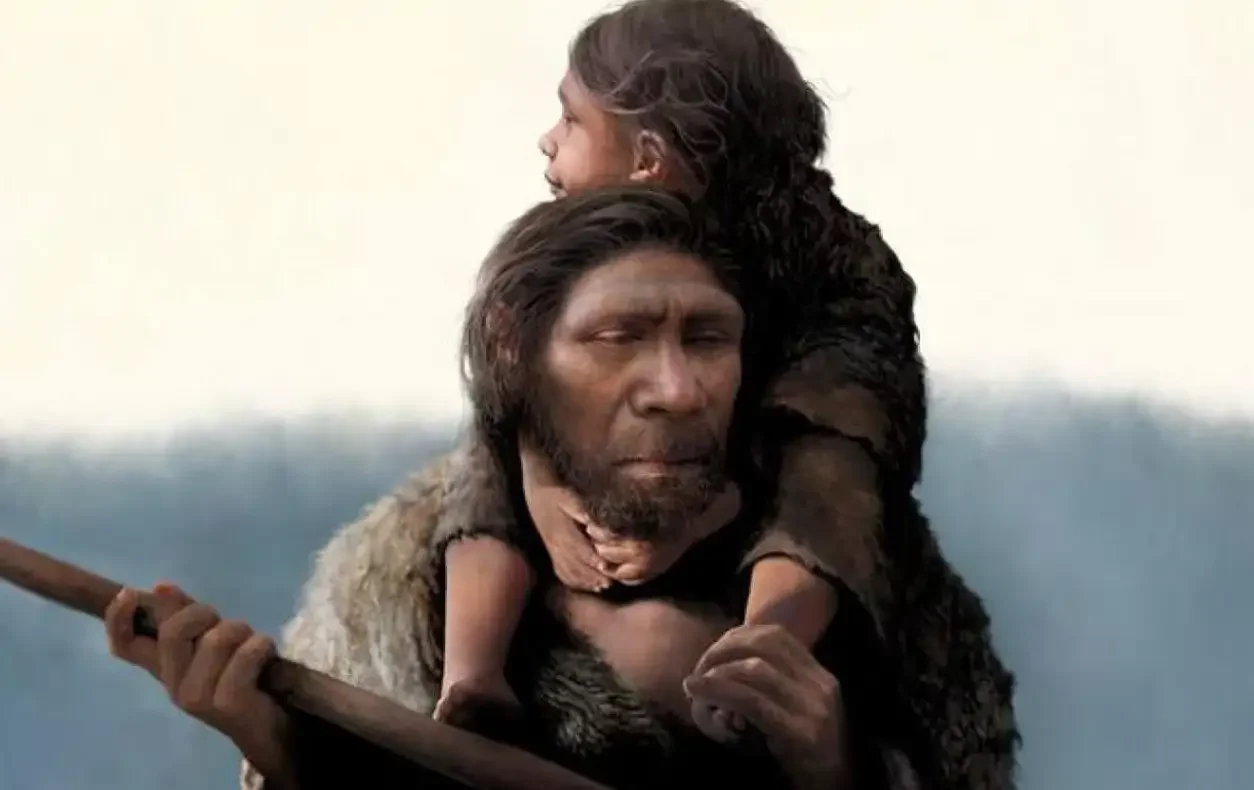
Neanderthal diversity
They were analyzed DNA samples from 27 bone remains. Were recovered in ten archaeological sites spread across the current territories of France and Belgium. Genetic analyzes revealed that These northern populations enjoyed notable genetic diversity and solid internal connectivity. It is a completely opposite scenario to that previously observed in the remains of Neanderthal communities located in the Altai region, in siberia. This rewrites the manuals of human evolution.
"These Neanderthals show less inbreeding and appear to be more genetically diverse," they stated. «We found no evidence of progressive genetic deterioration shortly before the extinction of the Neanderthals. "Their genomes do not show an increasing genetic load or a clear decline in diversity over time."
The groups settled in the Meuse River basin shared a close genetic link. It was a large and well-connected community at the regional level. The study includes high coverage sequencing of a specimen found in the Goyet cave. Its age is estimated at about 45,000 years, a critical period when modern humans were already colonizing the continent. The analysis showed that the levels of biological variability remained stable compared to previous times. The population was not mired in a terminal reproductive bottleneck.
«The last Neanderthals should not be seen as a single population in decline. There was a more complex image of regional diversity, connectivity and population history.

Genetic miscegenation
Another of the great enigmas that the article raises is the temporary coexistence between these communities in northwest Europe and the first groups of our own species. They were able to coexist in nearby geographic areas for an interval of up to generations. But the genomes analyzed revealed no traces of recent interbreeding with modern humans.
The reason for the disappearance of Neanderthals was not what was thought. This raises questions about the nature of the cultural and biological interactions between both species in the soil of northwestern Europe. This crossed inheritance that continues to baffle paleogenetics experts: «There was a period when modern humans and Neanderthals coexisted in Europe. But the evidence for gene flow between the two groups appears to be asymmetric. There are examples of early modern humans who had a Neanderthal ancestor only a few generations ago. "In some cases, a Neanderthal was indeed their great-great-grandfather."
Leave a Reply