
It is in the plant fossils of 295 million years ago. They show the oldest feeding tunnels of insect larvae inside the leaves, together with associated egg deposits. Thanks to this, we know, the world's oldest insect plague.
A group of paleontologists and researchers from the Natural History Museum of Berlin (MFN) describe it. They indicate that it is the oldest insect pest in the world. This highly specialized behavior of insect larvae already existed about 40 million years before what was believed.
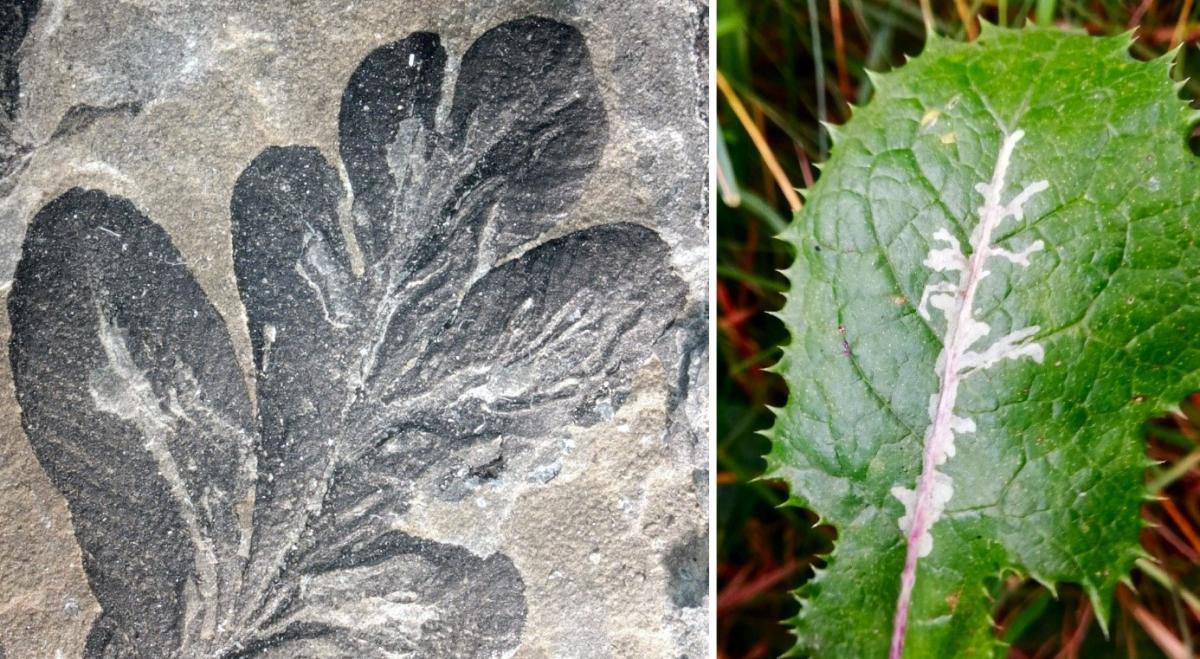
295 million years
Living inside the plant fabric offers many advantages. Protects against predators, dehydration and harmful environmental influences. And the larvae have an almost inexhaustible food supply, the MFN reports in a statement. Until now, it was not known with certainty when this successful strategy between insects arose. The oldest reliable evidence of mines on the leaves to date dates from the Triassic, at the beginning of the Mesozoic.
But it was shown that the leaves of leaves existed more than 40 million years before what was believed. The researchers had access to the extensive paleobotanic collections of the natural history museums of Berlin, Schleusingen and Freiberg. They contained numerous exceptionally well -preserved specimens of Asteronomus maeandriformis feeding traces on leaves of the autunia semeillero fern. They come from deposits of approximately 295 million years of the Permian period.
Plant fossils are perfectly preserved. It is unequivocally concluded that insect larvae created protected feeding tunnels inside the leaves. In addition, it was possible to identify egg deposits associated with feeding tunnels. In some cases they even contained remains of insect eggs.
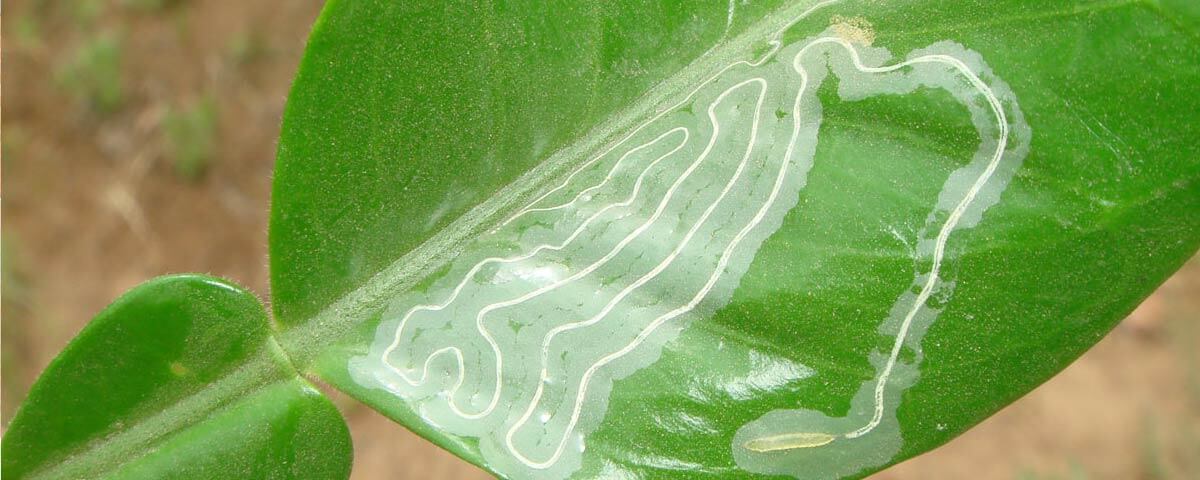
Immense infestation
The frequency of these fossils is remarkable. In total, more than 80 % of all Crock Autunia plants were infested with mines on the leaves. It is the oldest insect infestation in the history of the earth.
The exact reason why Autunia plants in the town of Crock suffered such an intense infestation remains a mystery. However, the phenomenon occurred in a time of global change, during which tropical terrestrial ecosystems were gradually dried.
Leave a Reply