
It is a type of wheat with more tolerance to water scarcity. And it's also low in gluten. The new drought-resistant cereals are an achievement of Andalusian researchers. The work is promoted by the Institute of Sustainable Agriculture of the CSIC of Córdoba and the University of Cartago (Tunisia). It demonstrates "the stability of genetic adjustments and their potential to be used in more resistant crops."
The study addresses a “global health and agricultural challenge around wheat.” It is a cereal that provides energy and nutrients. But its proteins can cause celiac disease and other pathologies associated with gluten. Thanks to biotechnological tools, it was possible to reduce the gliadin content in wheat. This is how crop lines with low gluten content were created. These modifications affect the response of plants to water stress. It is a growing challenge due to climate change.
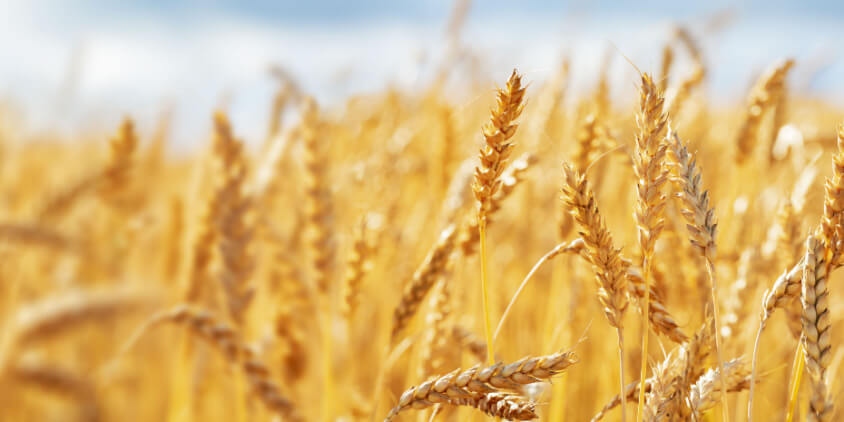
gluten free
«We compare the genotypes obtained with advanced genetic improvement techniques against conventional wheat varieties. We obtained crops more resistant to water stress. And the quality of the crop is maintained." The tools on which the researchers have based their assays are known as RNA interference and Crispr/Cas. RNA interference (RNAi) is a technique used to 'turn off' or reduce the activity of a specific gene.
It is not about changing any genes. Rather, its action is blocked, preventing it from expressing or producing a protein. «It is like a switch that turns off a light, the gene, but without touching the electricity cable, the DNA. In the case of wheat, RNAi is used to reduce gliadin production. It is the gluten protein that causes problems in people with celiac disease or gluten sensitivity," they add.
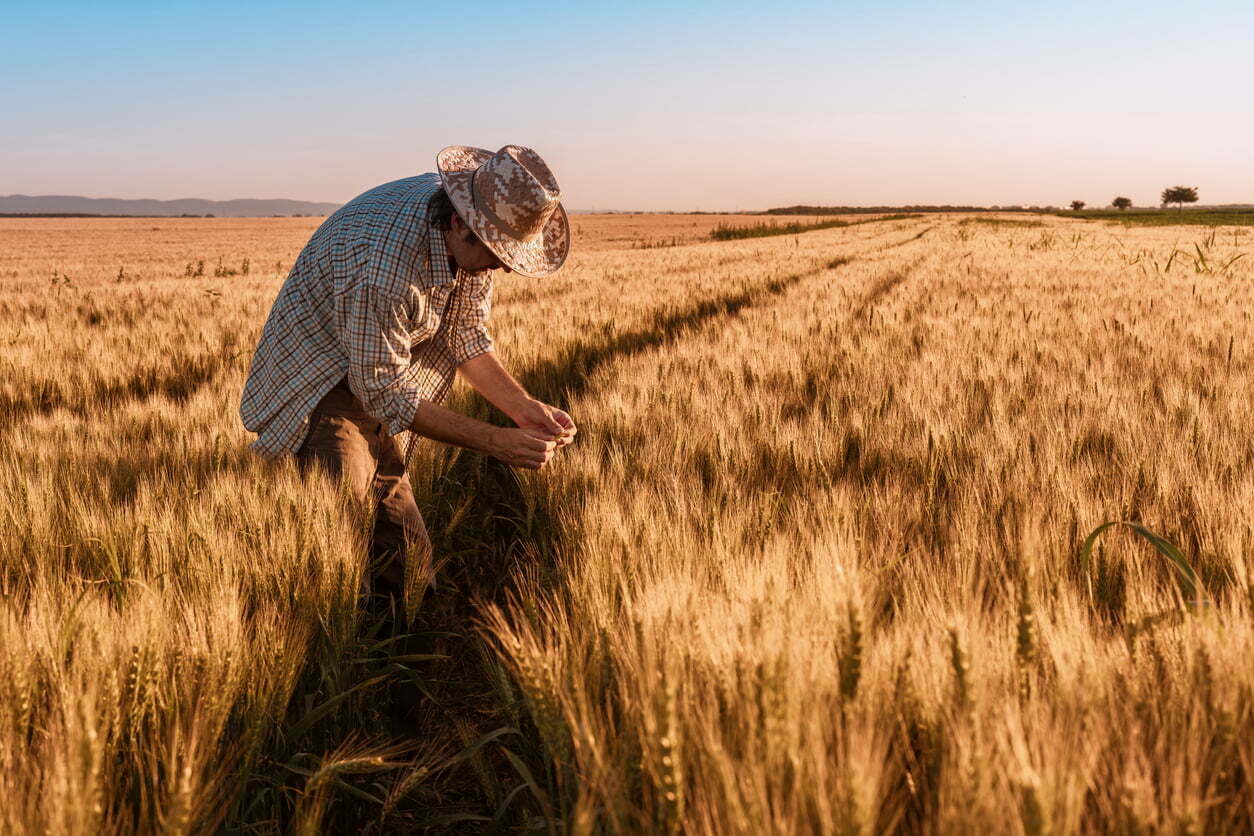
Resists droughts
The researchers began their tests with different varieties of wheat. Under water stress, genes that help plants protect and adapt were activated. The modified plants improved growth, fertility and leaf structure. New drought-resistant cereals show great promise. "Adjusting the activity of certain genes can prepare plants to resist drought more effectively," they indicate. The results obtained through genetic techniques open new avenues for the production of gluten-free products from the same crop.
Leave a Reply