
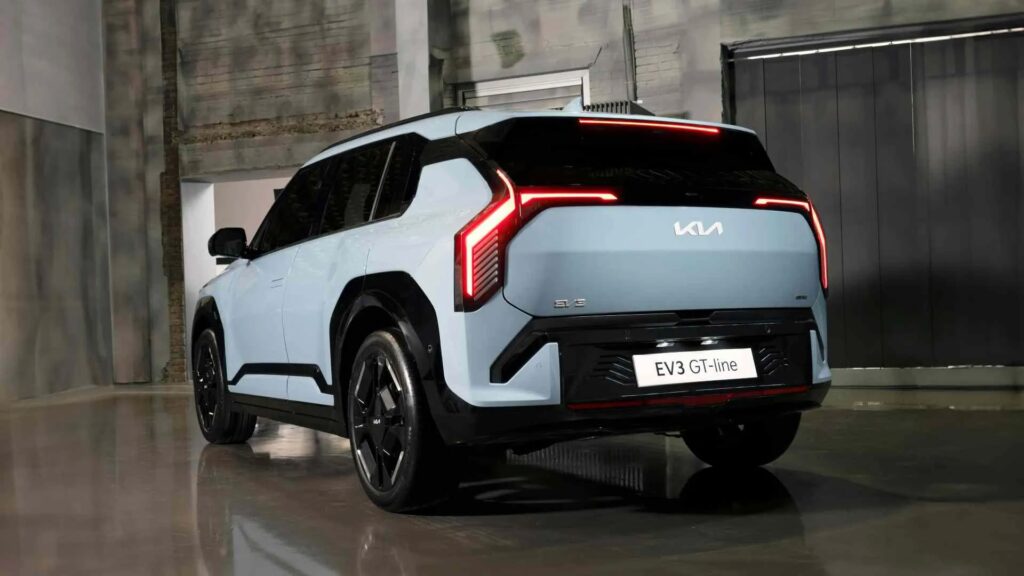
Sales of electric and hybrid cars have grown strongly in recent times, to the point of surpassing records that were previously considered difficult to achieve. This advance confirms that the electrification of the vehicle fleet has ceased to be a one-off trend and has become a stable part of the market.
Registration data shows that electrified vehicles – including pure electric, plug-in hybrids and conventional hybrids – represent an increasing proportion of the total. Although adoption is not uniform in all segments, the pace of growth reflects a clear change in driver preferences, driven by a greater range of models and a more positive perception of these technologies.
What is driving sales growth
The growth of electric and hybrid cars does not respond to a single reason, but to several factors that combine. One of the most relevant is the expansion of the available offer. Today there are more models in different segments, with more varied price ranges and features, which has made it easier for these technologies to reach a wider audience.
It has also changed the way drivers make decisions. Access to clear information, detailed comparisons and technical data has gained importance over impulsive purchasing or purchases based solely on recommendations. As these technologies become more widely known, trust increases and barriers to entry are lowered, thus driving more widespread adoption.
The role of hybrids and their impact on maintenance
Within the advancement of electrification, hybrid vehicles play a key role. For many drivers, they represent an intermediate point between traditional motors and pure electric motors, offering a more gradual transition without depending exclusively on external recharging. This combination explains why hybrids maintain a strong presence compared to fully electric models.

This change also has clear implications for maintenance and the demand for spare parts. Although hybrids share many components with conventional vehicles, they incorporate additional systems that require specific parts and greater compatibility control. In this context, specialized platforms such as Trodo recambios (https://www.trodo.es/recambios) allow drivers to access components suitable for both traditional systems and electrified technologies, facilitating adaptation to this new stage of the automobile fleet.
What this growth means for spare parts and maintenance
The rise of electric and hybrid vehicles is not only reflected in sales, but also in how maintenance is approached. As these technologies are incorporated into everyday use, the demand for spare parts evolves. Some traditional components are still necessary, while others are gaining importance due to the electrical, energy management and control systems that these vehicles incorporate.
This evolution is clearly seen in the registration figures, which show sustained growth in all electrified segments. The following table offers a general comparison between two recent periods and allows us to better understand how the vehicle fleet is changing:
| Vehicle type | Sales 2024 | Sales 2025 | Approximate variation |
| Pure electric (BEV) | ~55,000 | ~85,000 | +55% |
| Plug-in hybrids (PHEV) | ~65,000 | ~95,000 | +45% |
| Non-plug-in hybrids (HEV) | ~260,000 | ~320,000 | +23 % |
| Total electrified | ~380,000 | ~500,000 | +30% |
This growth has a direct impact on the maintenance market. Compatibility and technical information become increasingly relevant, especially in vehicles with combined systems. Choosing the right spare parts not only helps you avoid unnecessary costs, but also helps maintain long-term performance and reliability.
How the automotive ecosystem is changing
The growth of electric and hybrid vehicles not only transforms the type of cars on the road, but also the entire ecosystem that surrounds them. As technology advances, drivers need more information, better selection tools, and greater clarity when it comes to maintaining their vehicles. This has driven a parallel evolution in the way services, maintenance and spare parts are accessed.
This change has also been observed by economic and specialized media, which highlight how the rise of online platforms It is changing the habits of drivers. A recent analysis indicates that more and more users combine digital information, comparisons and online purchasing of spare parts as a natural part of the vehicle maintenance process, reflecting a broader transformation of the automotive market.
In this context, electrification cannot be understood in isolation. It is accompanied by new expectations in terms of transparency, compatibility and access to solutions adapted to increasingly complex vehicles.

A transformation that goes beyond technology
The rise of electric and hybrid vehicles reflects a deeper shift in the way mobility is understood. It is not just about new technologies, but about an evolution in the expectations of drivers, who now seek clear information, guaranteed compatibility and solutions adapted to increasingly complex vehicles.
As the vehicle fleet continues to evolve, so do maintenance, spare parts and purchasing habits. In this new scenario, making informed decisions becomes a key factor to guarantee long-term safety, efficiency and reliability.
Frequently asked questions about electric and hybrid cars
Why are hybrid vehicles still so popular?
Because they combine known technologies with improvements in efficiency, offering a more gradual transition towards total electrification.
Do electric cars require less maintenance?
In general, yes. They have fewer traditional mechanical components, although they incorporate electrical systems that require specific revisions.
Do spare parts change in electrified vehicles?
Some spare parts remain similar to those of conventional vehicles, but others are specific to electric and hybrid systems.
Is it more expensive to maintain an electric or hybrid car?
It depends on the type of vehicle and use. In many cases, regular maintenance can be more predictable, although certain components may cost more.
What should drivers consider when choosing spare parts?
Exact compatibility with the vehicle, the quality of the part and the available technical information are key factors to avoid errors.
Leave a Reply