
International scientists and experts are evaluating this measure. It is an innovative technological proposal for the extreme north of the planet. They want to combat the most severe effects of global warming. As explained in The Guardian, the company Real Ice is leading a pioneering geoengineering project. This is the proposal to refreeze the Arctic.
They seek to directly stop the alarming loss of white surface at the North Pole. It is one of the geographical areas that suffers the direct impact of the climate crisis most intensely.
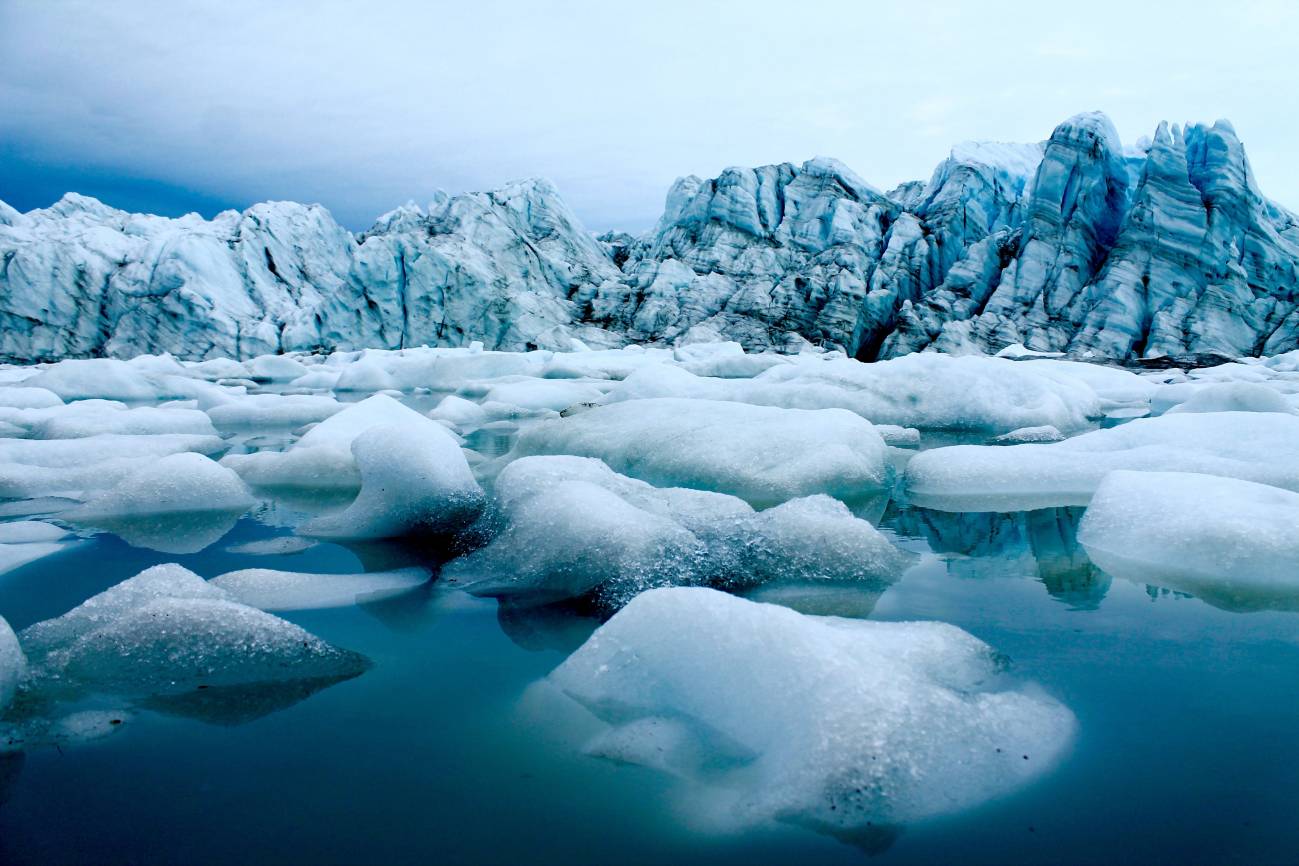
Freezing the ice
This research takes place in the town of Cambridge Bay. It is a Canadian territory that had a very severe decrease in ice during the last four decades. The proposal involves extreme logistical conditions involved. Technicians endured frigid winter temperatures to install and operate the systems in the experimental phase.
They drilled into the frozen surface to extract massive tons of liquid ocean water. They carried it from the depths of the sea towards the outer layer of the environment. The coldest day was -63 degrees with wind chills. Winter operations totaled 1,080 hours of continuous pumping. They covered a quadrangular surface of 450 meters on each side of territorial extension.
Seawater brought to the surface froze almost instantly upon contact with polar air. They managed to thicken the original frozen layer by an additional 50 cm according to measurements. The technological mechanism takes advantage of the fact that the addition of liquid converts the accumulated snow into a compact mass. It allows the ambient cold to penetrate more strongly into the lower area of the structure. This increase in thickness allows the surface to better resist solar radiation. Add between 7 and 10 days of extra duration before the summer thaw begins.
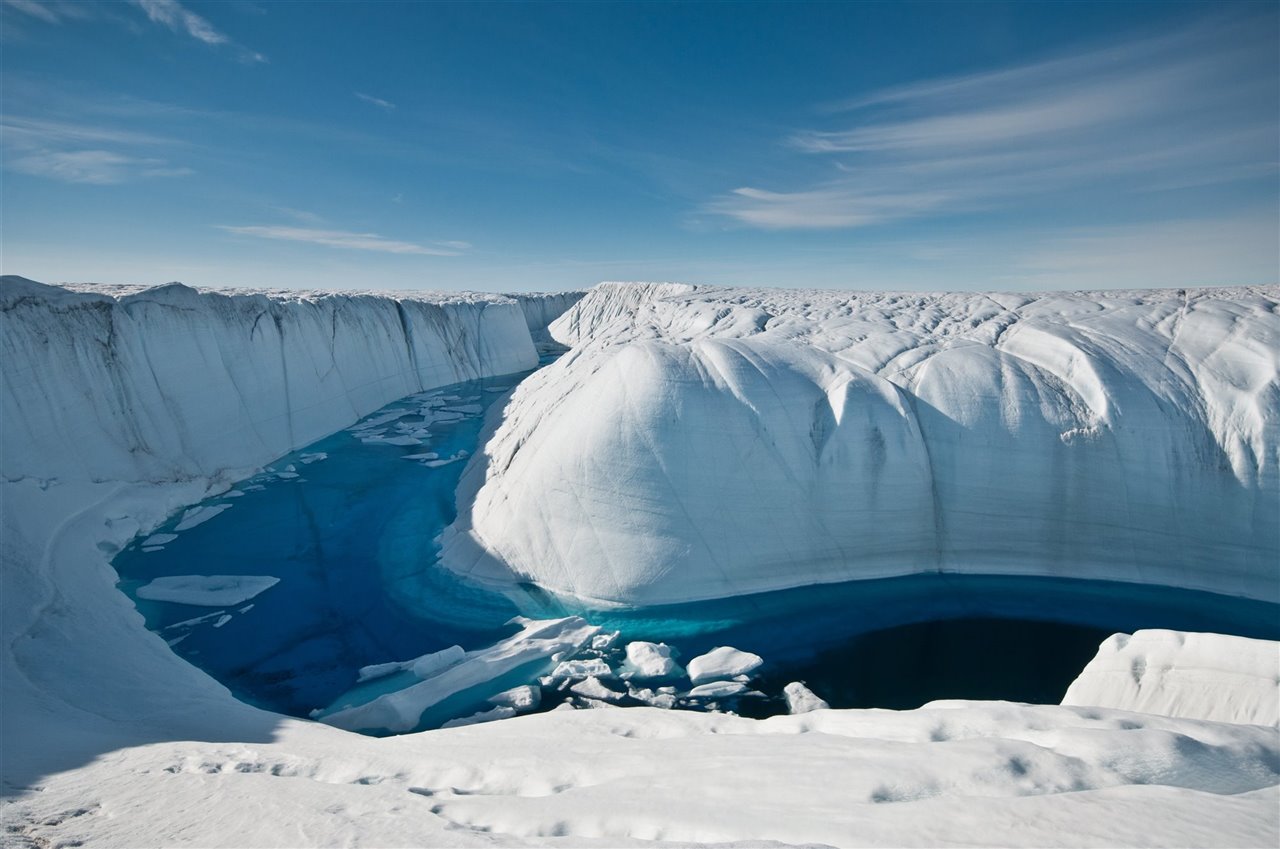
On a large scale
The proposal to refreeze the Arctic brings another benefit. The artificially treated area showed a significantly higher reflection capacity. That was totally unexpected. Accelerated freezing traps internal air bubbles. They significantly increase the opacity of the frozen mantle in the face of incident solar radiation. The feasibility of applying this methodology on a large scale would require the deployment of autonomous underwater devices. This way they could reduce the high operating costs that would be involved in mobilizing human personnel on a permanent basis. Completely halting the annual shrinkage of Arctic ice would require a sustained economic investment of nearly $10 billion through fleets of green drones.
The use of climate manipulation generates strong ethical debates. They consider these actions a dangerous distraction from emissions reductions. The director of the Center for Climate Repair at the University of Cambridge, Shaun Fitzgerald, defends the need to explore alternative routes. "Anything new has the potential for unforeseen consequences," noted the British researcher.
Leave a Reply