
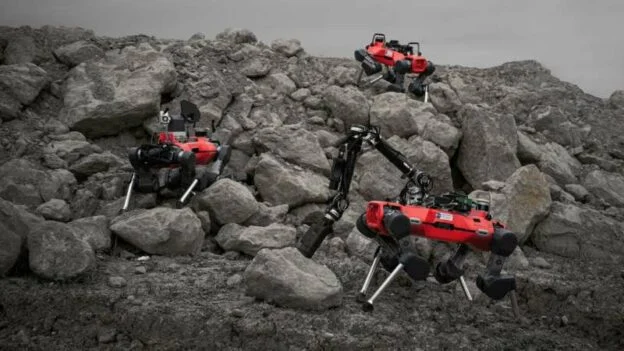
It is a collaboration between engineers from the University of Basel and the Robotic Systems Laboratory at ETH Zurich. They made a robotic device with legs whose goal is to improve the exploration of celestial bodies. It is a different approach to mobility in extraterrestrial terrain. The robot with legs for the Moon would also be used to explore Mars.
Inaccessible places
It can slide on irregular surfaces of other planets or natural satellites. Avoid obstacles and access areas that are difficult to access for traditional rovers. It is an advance in the autonomy and adaptability of space missions. Usually rovers move using wheels. But the robot with legs for the Moon uses articulated limbs capable of adapting to unevenness and cracks in the terrain. This is to avoid getting stuck on dusty surfaces, loose rocks or steep slopes. It offers obvious operational advantages over existing scanning systems.
It impacts the economics of future space missions. Reduces the duration and costs associated with lunar and Martian soil research. The scientific team pointed out that the design allows the movement to be modulated, depending on the conditions encountered. It would obtain data in areas considered inhospitable or inaccessible to conventional robots.
It had a great adaptation to low gravity and the presence of fine dust, characteristic of both the Moon and Mars. It has sensors and navigation systems that give the device autonomous decision-making capacity. It is aimed at avoiding risks of overturning or getting stuck.
Cracks and radiation
The development of this technology included displacement simulations in conditions analogous to those of lunar and Martian environments. Tests were carried out on specially prepared terrain with stones, slopes and dust areas. They replicated the topography expected in real missions. He was able to carry out detailed prospecting for mineral resources and access areas of particular scientific interest.
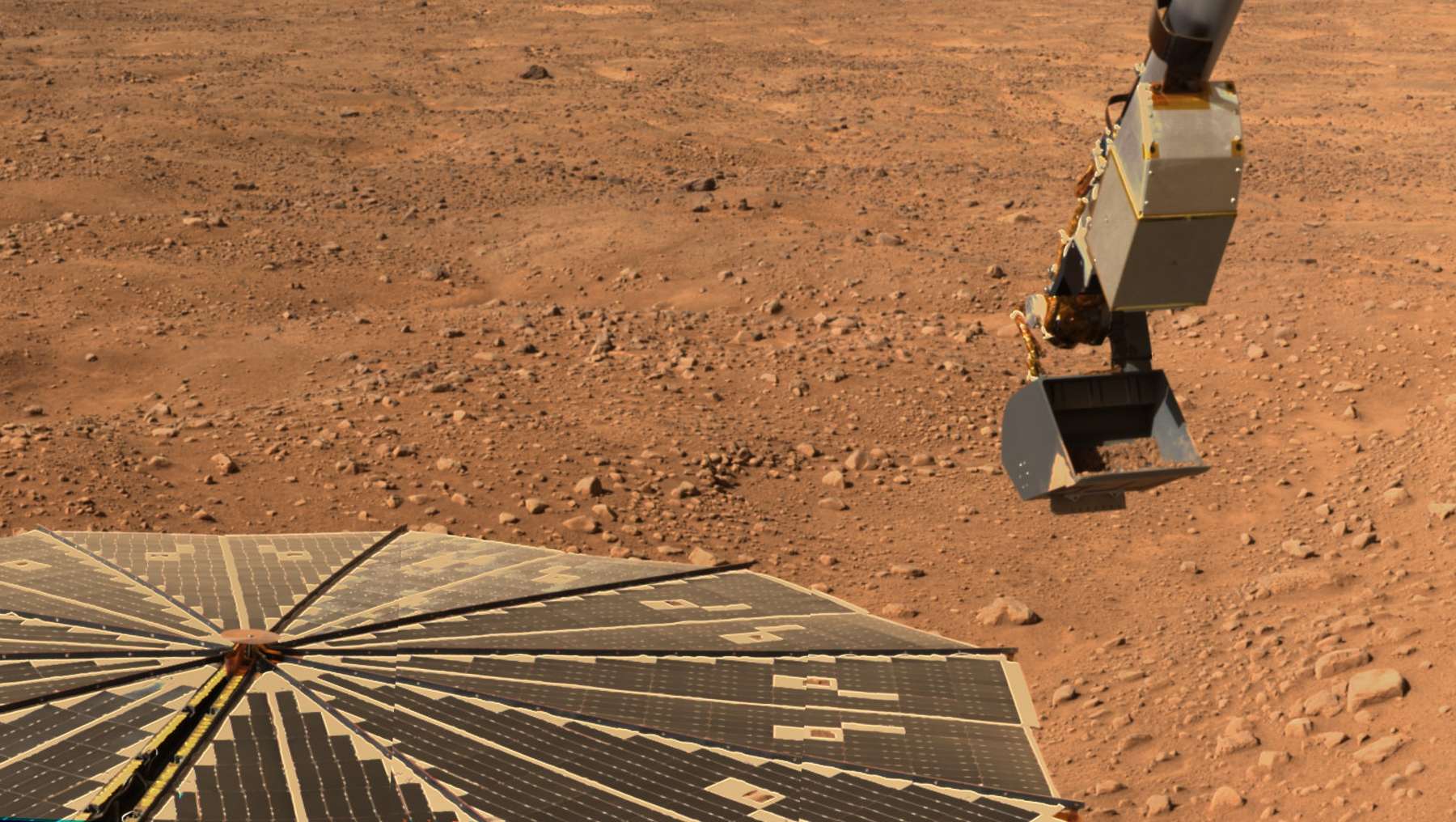
For the search for life on Mars it is also useful. Your ability to move through crevices or explore caves could be essential. These underground environments conditions could be more favorable for the conservation of organic matter or biological traces. This flexibility offers prospects for progress in identifying priority areas for sampling and data collection. The robot's design also incorporates elements of low energy consumption and resistance to extreme environments. It can operate in conditions of intense cold and exposure to radiation.
Leave a Reply