
Human beings have very different reactions to danger. There are those who, at the slightest sign of risk, run away. Others remain motionless, blocked by fear. Some confront their possible attacker. Turns out it has nothing to do with courage or cowardice. Science explains the brain's reaction to danger.
Tulane University publishes a study published in The Journal of Neuroscience. It demonstrates that these reactions do not depend on will, but on a sophisticated biological control mechanism. The central amygdala functions as a command center capable of selecting the most appropriate defensive response. To date, most research has been limited to studying blocking or freezing of the individual. But the brain manages fear as a continuous spectrum of physical actions.
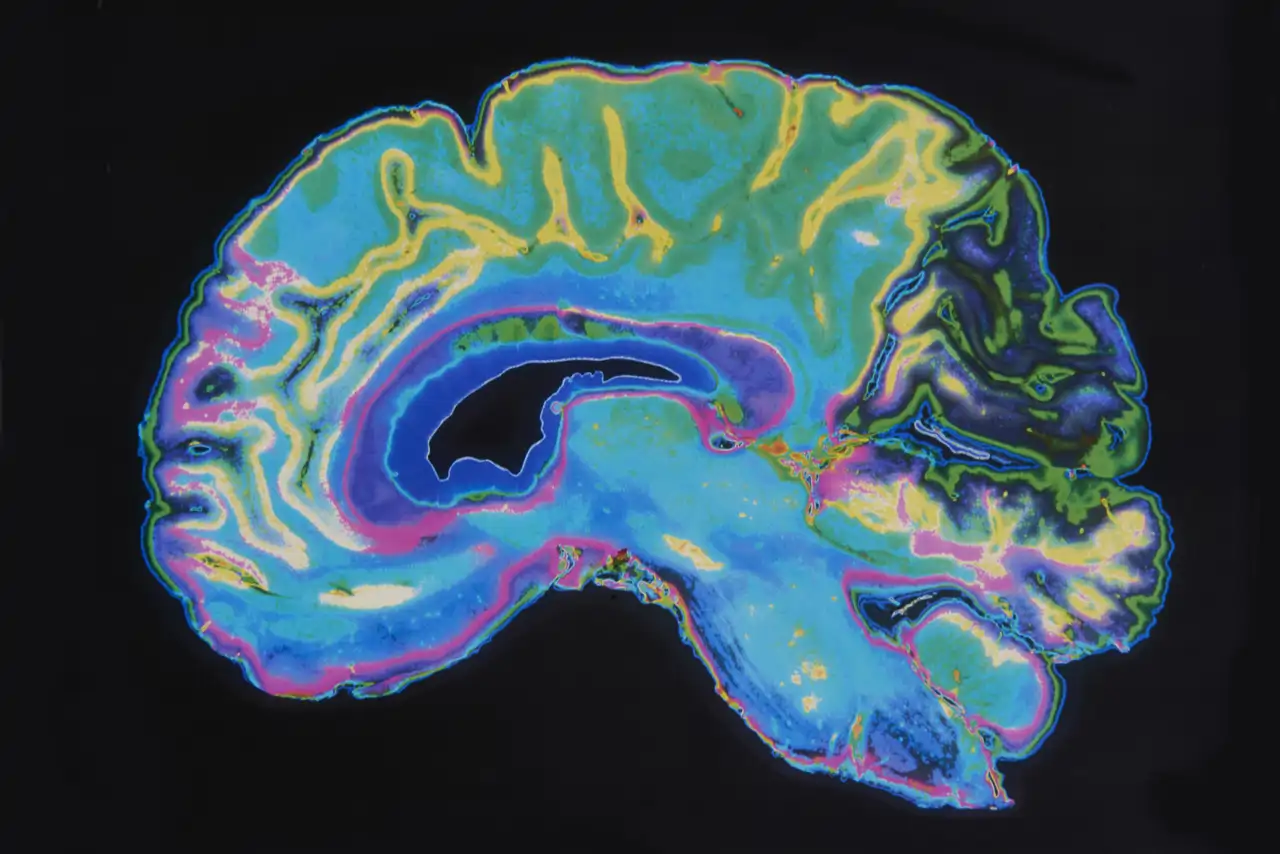
brain switch
Using animal models, the experts observed how subjects alternated between standing still, jumping to escape, or making rapid escape movements. Fear extinction is not about eliminating a traumatic memory, but about recalibrating which network of neurons takes control. This opens possibilities for treating complex pathologies such as post-traumatic stress disorder.
There are two populations of neurons in the central amygdala that function as a switch high precision. CRF neurons activate maximum intensity responses. They drive panic behaviors, such as jumping in desperation to find a way out of a threat.
On the opposite side are SOM neurons, linked to somatostatin. They regulate lower intensity defensive states. Its activation promotes physical blocking or more cautious movements. The interaction between both neuronal groups decides in milliseconds what the reaction will be.

medical intervention
The scientists verified that by manipulating these circuits the subject's behavior could be radically transformed. "At the neuronal level, extinction is less like erasing fear and more like giving it a new form," they explain. It has direct implications in the treatment of psychiatric diseases. Post-traumatic stress disorder manifests itself in very different ways depending on the person. It ranges from constant hypervigilance to acute panic reactions. It could be due to specific dysfunctions within the circuits of the central amygdala.
There are now critical biological pathways pointed out for future medical interventions. The brain's reaction to danger is clearer now. It allows us to design more effective fear extinction strategies. The ultimate goal is to help patients transition from high-intensity states toward more balanced and controlled responses.
Leave a Reply