
It was between 50,000 and 10,000 years ago. Many of the world's largest mammals disappeared. A study from Michigan State University (United States) reveals what came because of this. Its disappearance radically transformed the food webs of the species that still exist today. The changes were more pronounced in some parts of the world than others, particularly in America. The great disappearance of giant mammals changed the world forever.
The results are published in the journal 'Proceedings of the National Academy of Sciences'. Imagine creatures like saber-toothed tigers with 7-inch fangs and sloths the size of elephants. Woolly mammoths whose curved tusks measured more than 3.6 meters. Even a 3 ton wombat, the size of a car. After roaming the Earth for millions of years, most large mammals - especially those weighing more than a ton - became extinct. They disappeared.
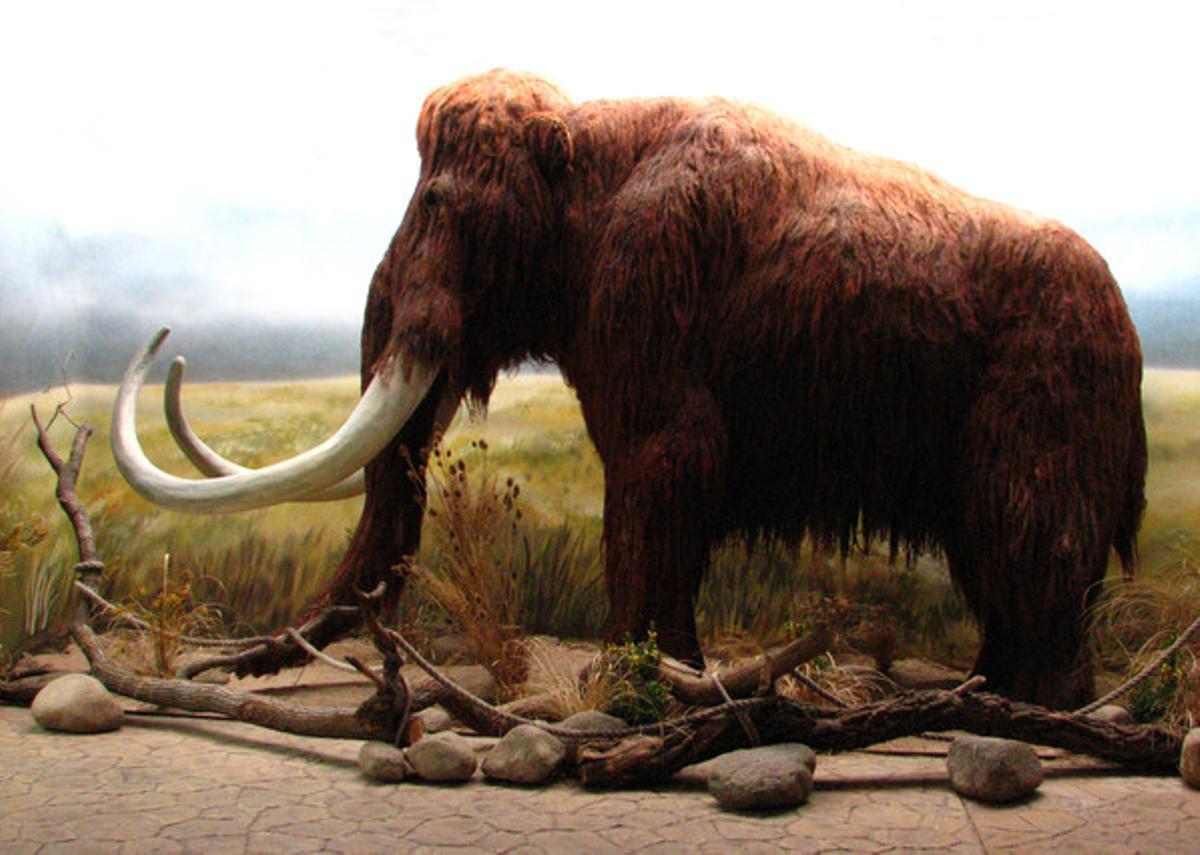
Changing food webs
When a species becomes extinct, not only does the animal disappear. The network of relationships between surviving species also often undergoes complex changes. When predators disappear, their prey can multiply uncontrollably. A series of cascading effects are caused.
Recent data on predator-prey relationships were analyzed at 389 sites in tropical and subtropical regions of America, Africa and Asia. The study included more than 440 species of mammals. Among them bears, wolves, elephants and lions. They discovered that current food webs have fewer and smaller prey in the Americas than in Africa and Asia.
Predators in America focused on prey with a narrower range of traits. The differences between the regions were not only due to current factors such as climate or seasons. It was the differences in the severity of past extinctions that modified this map. The great disappearance of giant mammals and the place where they occurred left its mark.
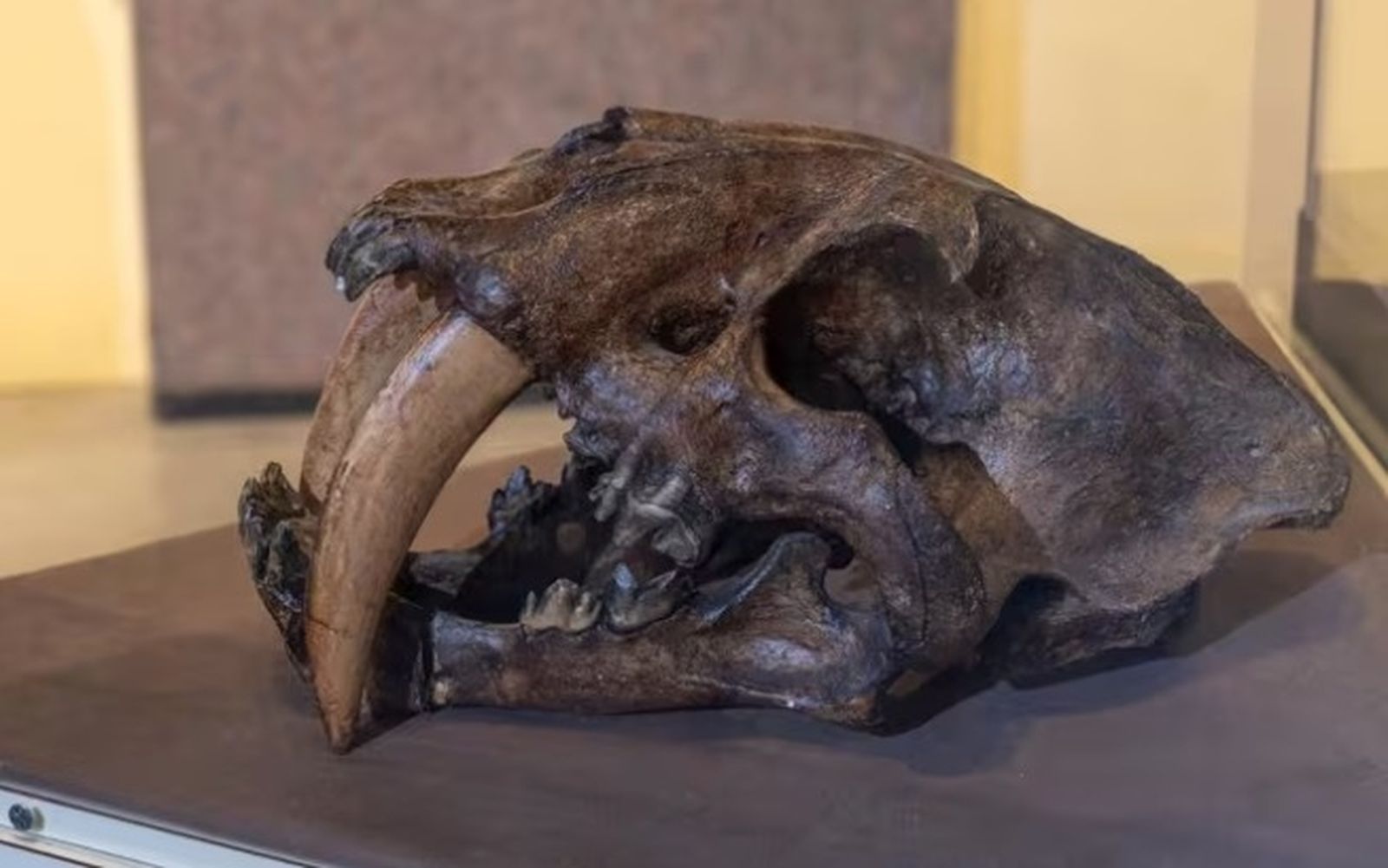
Flattening chain
For example, South America was once home to several species of giant deer. Their extinction reduced prey for predators such as saber-toothed tigers and dire wolves. This flattened and diluted the food chain.
The exact reason for the disappearance of the largest mammals remains a matter of debate. Some scientists say climate change and environmental pressures played a role in the disappearance of mammoths and other giant animals. Others, however, maintain that human expansion out of Africa to other parts of the world is responsible for its extinction.
Leave a Reply